If you have watched a race this season and thought something felt different, you are right. The 2026 regulations changed the engine, the aerodynamics, the overtaking system and the fuel — all at once. Here is what actually changed, without the jargon.
1. The Power Unit: Half Electric
| Before | 2026 | |
|---|---|---|
| Electrical power | 120 kW | 350 kW (~3×) |
| Combustion engine | 550–560 kW | 400 kW |
| Electric share of total | ~20% | 50% |
The 1.6-litre V6 turbo stays, but the MGU-H is removed — the complicated, expensive turbo-heat recovery unit that kept new manufacturers away for a decade. Deleting it worked exactly as intended: Honda has returned, Audi has joined the grid, and Ford is partnered with Red Bull Powertrains, alongside Ferrari, Mercedes and Renault.
2. DRS Is Dead. Meet Manual Override.
The single change fans notice most. DRS — the rear-wing flap that opened only in designated zones when you were within a second — is gone.
Its replacement is Manual Override, sometimes called Overtake mode: when you are within one second of the car ahead, you get access to a short burst of extra battery power. The idea is the same — help the chasing car — but the mechanism is electrical rather than aerodynamic, and it is not tied to a fixed zone on the track.
3. Active Aerodynamics: X-Mode and Z-Mode
For the first time, both the front and rear wings move. Drivers switch between two configurations:
- X-Mode (straights): both wing elements open to cut drag and raise top speed. Think of it as DRS, but usable far more flexibly and at both ends of the car.
- Z-Mode (corners): the elements close for maximum downforce and grip.
The geometry changed too: the front wing is 100mm narrower with a two-element flap, the rear wing has three elements, and the lower beam wing has been removed.
4. Smaller, Lighter, Cleaner
- 30kg lighter than the previous generation — a direct response to years of complaints that F1 cars had become too big and heavy to race closely.
- 100% sustainable fuel, required from 2026. It must come from biological waste, municipal waste, or carbon captured from the atmosphere.
Why All of It Happened at Once
These changes are connected, not a shopping list. A far bigger battery needs an aero package that lets cars run low-drag on straights to recharge and deploy efficiently — hence active aero. Losing DRS needs a replacement overtaking aid — hence Manual Override, which conveniently uses the battery F1 just tripled. And dropping the MGU-H made the whole formula cheap enough to attract new manufacturers, which is why the 2026 grid has more engine makers than it has had in years.
If you are following the championship, our guide to how F1 points and the constructors’ championship work covers the scoring side — including the bonus point that no longer exists.
Frequently Asked Questions (FAQ)
Is DRS gone in F1 2026?
Yes. It is replaced by Manual Override — a burst of extra battery power when within one second of the car ahead.
What are X-Mode and Z-Mode?
The two active-aero settings. X-Mode opens the wings on straights for less drag; Z-Mode closes them in corners for grip.
How much more electric power do 2026 F1 cars have?
Electrical output rises from 120kW to 350kW — roughly three times, and now 50% of the car’s total power.
What happened to the MGU-H?
Removed. Simplifying the power unit helped bring Honda back and attract Audi and Ford.
What fuel does F1 use in 2026?
100% sustainable fuel, made from biological waste, municipal waste or captured atmospheric CO₂.
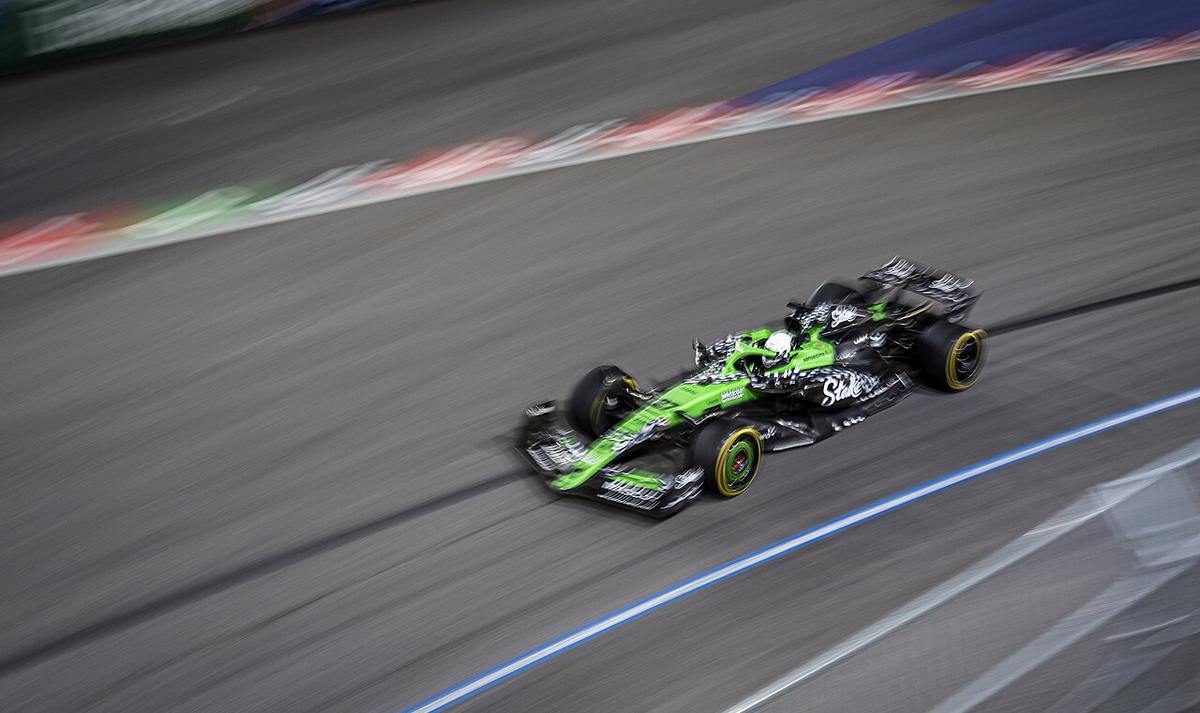
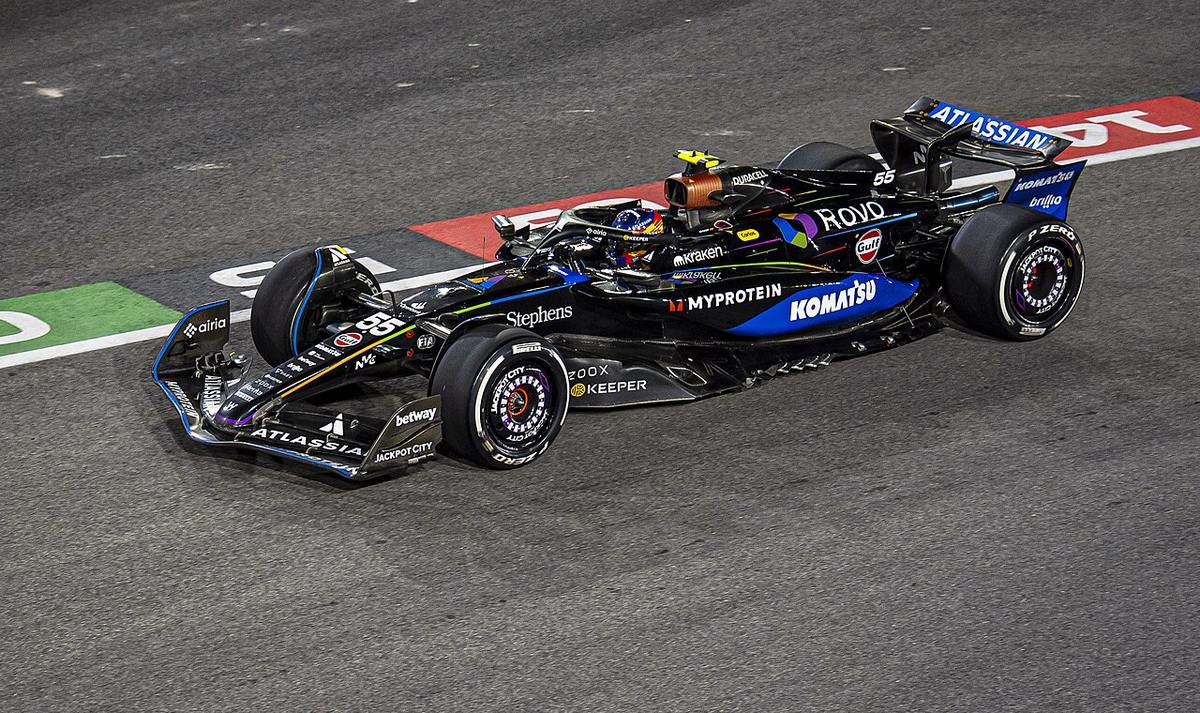
Regulation details per Formula1.com, the FIA, Sky Sports F1, McLaren Racing and GPFans, 2026. Photo: a Formula 1 car at the Las Vegas Grand Prix, public domain, via Wikimedia Commons; it does not depict a specific 2026-regulation car.