
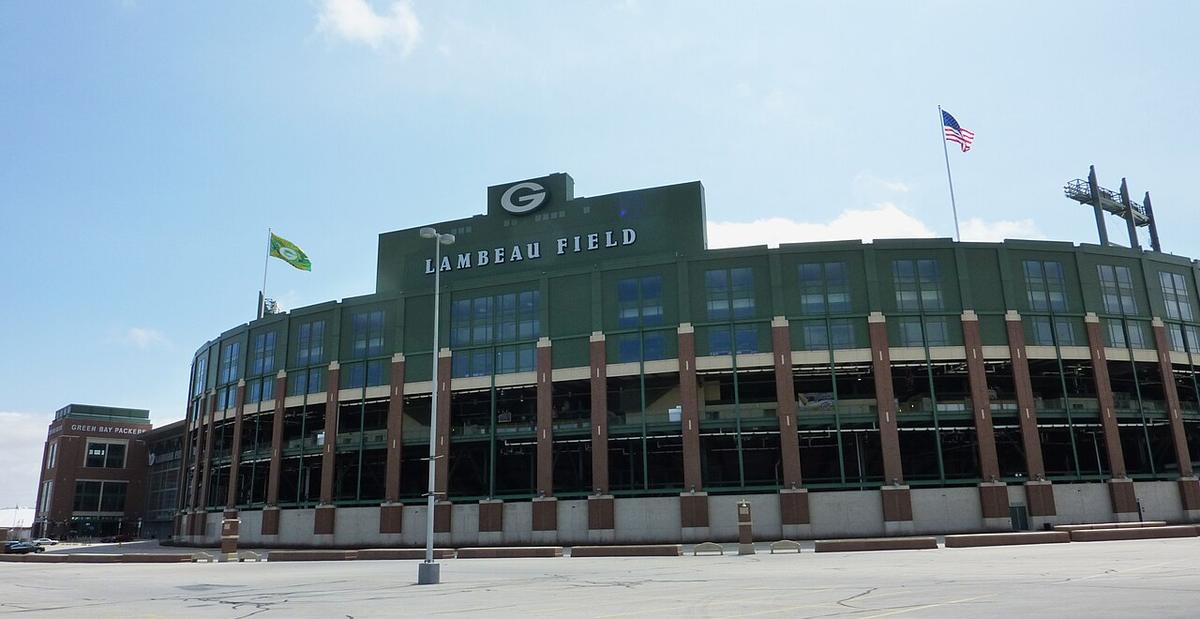
Lambeau Field is the rare NFL stadium that is both enormous and ancient — and it manages both without feeling like either. The number people search for: 81,441.
Lambeau Field Capacity
- 81,441 seats — the second-largest stadium in the NFL
- Largest sports venue in Wisconsin
- Opened 1957 — the oldest continually operating NFL stadium in the US
Green Bay has roughly 100,000 residents. On game day Lambeau holds about 80% of the city’s population — a ratio no other major American sports town comes close to.
From 32,000 to 81,441
When it opened in 1957 the stadium held about 32,000. Successive expansions and renovations more than doubled it to today’s 81,441 — adding bowl seating, club levels and the modern atrium while keeping the original open-air, natural-turf character. That is why Lambeau reads as both historic and modern: the shell is old, almost everything attached to it is not.
Why “The Frozen Tundra”
The nickname is literal. Green Bay in December and January is punishingly cold, and Lambeau has no dome and no roof — by design. The most famous game in franchise lore, the 1967 NFL Championship, is remembered simply as the Ice Bowl. Modern Lambeau uses under-field heating to keep the turf playable, but the stands stay exactly as cold as the weather decides.
How It Compares
At 81,441 Lambeau sits just behind the NFL’s largest venues and comfortably above the league average of roughly 65,000-70,000. For the full ranking see our guide to the biggest NFL stadiums by capacity.
Frequently Asked Questions (FAQ)
What is Lambeau Field’s capacity?
81,441 — second-largest in the NFL.
Is Lambeau the oldest NFL stadium?
Yes — the oldest continually operating NFL stadium in the US, open since 1957.
Why is it called the Frozen Tundra?
Because of Green Bay’s extreme cold and the stadium’s fully open-air design — immortalised by the 1967 Ice Bowl.
How much has it grown?
From about 32,000 seats in 1957 to 81,441 today.
Capacity and history per StadiumDB, Britannica and Wikipedia. Photo: Lambeau Field by JL1Row, CC BY-SA 3.0, via Wikimedia Commons.