
Two facts are colliding this week, and the second one has a name most people have never had to learn.
First: Yes, SpaceX Really Did Go Public
SpaceX listed on the Nasdaq on 12 June 2026 under the ticker SPCX. It was the largest IPO in stock-market history, raising roughly $75 billion before underwriters exercised their overallotment.
| IPO price | $135 |
| First-day close | $161 (+19%) |
| Peak | $225.64, four days after the IPO |
| 31 July close | $108.37 — over 40% below the peak |
| 3 August | around $114.53 |
Second: What a Lock-Up Expiration Actually Is
This is the term doing the work in every headline this week, and it is simpler than it sounds.
When a company goes public, the people who already owned shares — founders, employees, early investors — agree not to sell for a set period afterwards. That agreement is the lock-up.
Why It Exists at All
Without a lock-up, insiders could sell into the first day of trading. That would flood the market with shares at the exact moment new investors are trying to establish a price, and it would signal that the people who know the company best wanted out immediately.
The lock-up buys the newly public stock a settling period.
What Changes on 6 August
An estimated $100 billion or more in shares held by insiders, employees and pre-IPO investors stops being restricted.
Becoming sellable is not the same as being sold. Every one of those holders makes their own decision. Lock-up expirations frequently coincide with near-term selling pressure as some holders take liquidity — but the effect varies widely depending on how many choose to sell, and at what price.
Who Is Not Affected
If you bought SPCX on the open market after the IPO, you were never subject to the lock-up. It is a contractual restriction on specific pre-IPO shareholders, not a market-wide rule.
The Timing Is What Makes This One Unusual
SpaceX delivered its first public earnings report on 4 August — ahead of the report, analysts were looking for roughly $6.9 billion in revenue and a loss of about $0.23 per share.
So the company’s first set of public numbers and its lock-up expiration land within days of each other, while the stock sits far below its June peak. Three separate things arriving at once is why this week is being watched so closely.
Frequently Asked Questions (FAQ)
Did SpaceX go public?
Yes — on the Nasdaq, 12 June 2026, ticker SPCX, in the largest IPO in stock-market history.
What is a lock-up expiration?
The end of the period in which pre-IPO shareholders agreed not to sell. Their shares become sellable; nothing about the company itself changes.
When is SpaceX’s lock-up expiration?
6 August 2026, freeing an estimated $100 billion or more in shares.
Does a lock-up expiration make a stock fall?
It often brings near-term selling pressure, but the effect varies widely and it is not a prediction.
Am I affected if I bought SPCX after the IPO?
No. Open-market buyers after the IPO were never subject to the lock-up.
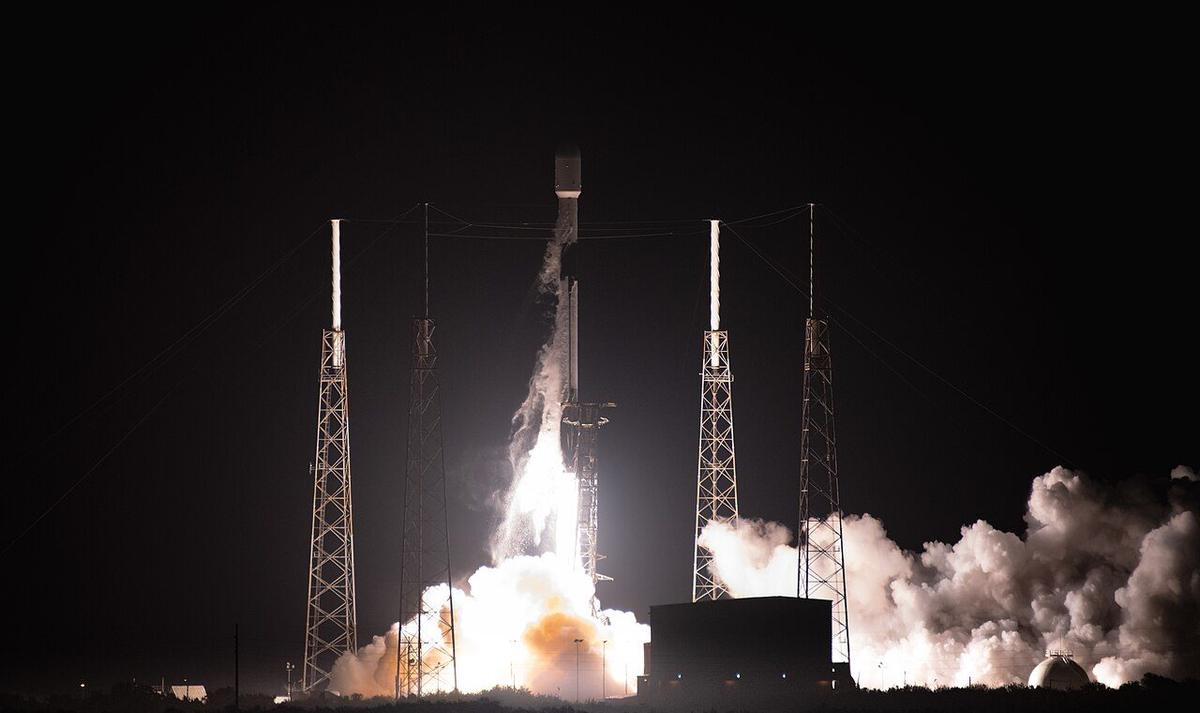
IPO date, ticker, pricing, share-price levels, earnings expectations and the 6 August lock-up expiration per CNBC and StartupHub reporting, with the $100 billion unlock estimate attributed to The Motley Fool, August 2026. Share prices move constantly — the levels quoted are as at the dates given. General information only, not investment advice. Photo: a Falcon 9 launch (public domain, US Space Force).