
One hundred billion dollars is being paid back. Almost nobody reading this will see a cent of it, and the reason is a single misunderstanding about how a tariff works.
Who Actually Pays a Tariff
This is the part worth getting straight before anything else.
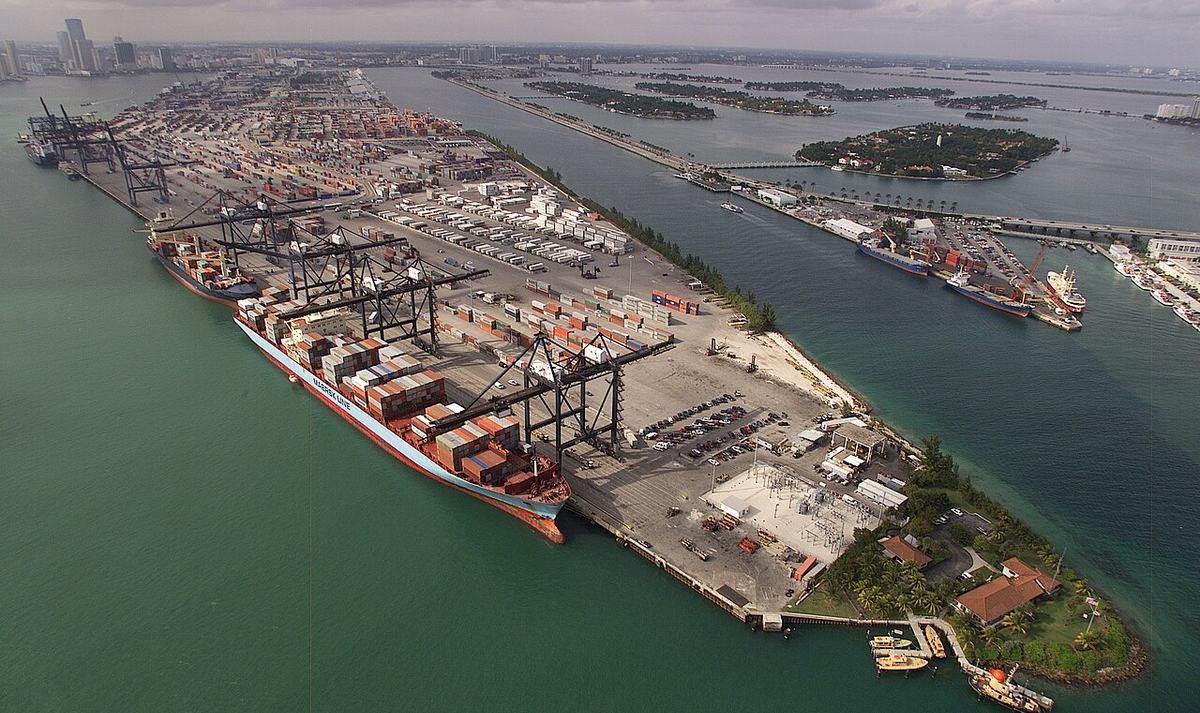
A tariff is a tax collected at the border, and it is paid by the importer — the company bringing the goods into the country. It is not billed to the exporting nation. When a US firm imports a container of goods, that firm writes the cheque to US Customs and Border Protection.
That does not mean households were untouched. Importers commonly pass some or all of the cost into prices. But paying more at a till is not the same as having a claim, and the refund system only knows about the entity on the customs entry.
Why the Refunds Are Happening
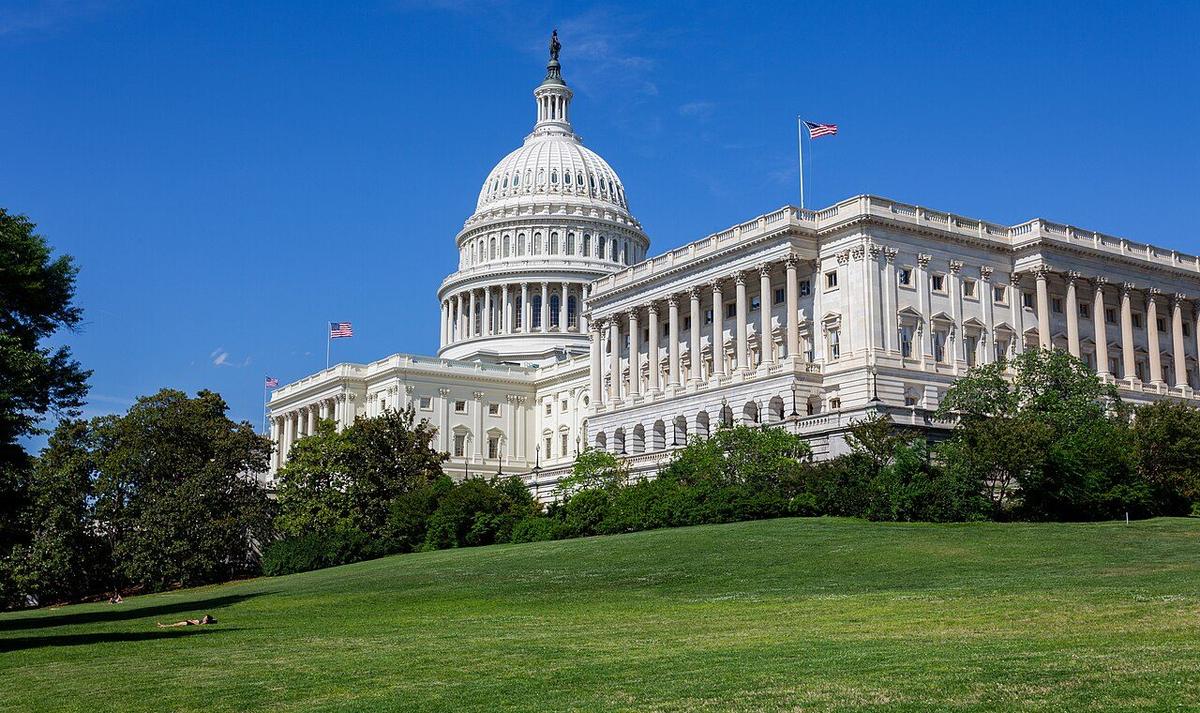
On 20 February 2026, the Supreme Court ruled 6-3 in Learning Resources, Inc. v. Trump.
The question was not whether tariffs are wise. It was who is allowed to impose them. The administration had used the International Emergency Economic Powers Act (IEEPA), which lets the executive regulate commerce during a declared emergency.
The Court held that the power to regulate does not include the power to tax. Under Article I of the Constitution, imposing duties is Congress’s job. Money collected without that authority has to go back.
The Numbers
| Collected under the struck-down tariffs | about $166 billion |
| Refunded so far | about $100 billion (~60%) |
| Ruling | Supreme Court, 6-3, 20 Feb 2026 |
| Who is repaid | Importers, per Judge Richard Eaton |
Update: Now Come the Lawsuits
The refund answered one question and immediately created a harder one. If a shop raised its prices to cover a tariff, and the government then hands that tariff back to the shop, who is the money actually for?
Since the Supreme Court struck the IEEPA tariffs down in February 2026, plaintiffs’ firms have filed more than 100 putative consumer class actions against businesses across the country.
The claims are generally brought as unjust enrichment or the related doctrine of “money had and received”, or under state consumer-protection statutes.
Two Examples, and What Is Actually Alleged
These are allegations in filed complaints. Nothing below has been decided by a court, and the companies have not been found liable.
| Company | What the complaint alleges |
| Five Below | Filed by a New York resident, Tyasia Johns. Alleges the retailer passed IEEPA tariff costs to shoppers through higher prices and did not return the refunds it received. The complaint points to net sales rising 22.9% year on year to $4.76bn in 2025. |
| Sony | Filed in May by PlayStation customers, alleging a “double recovery windfall” from raising console prices to cover tariffs while also collecting refunds. Sony has since reported operating income up 37% year on year, driven mainly by ¥80bn ($507.7m) in tariff refunds. |
That Sony figure is the clearest illustration of what the litigation is about. The 37% rise is Sony’s own reported result and the tariff refund is the stated cause of most of it. Whether keeping it is lawful is exactly what the courts have been asked.
Can You Join One?
Possibly, but manage expectations, and note that this is general information rather than legal advice.
- Class actions are usually filed against a specific company, so the question is whether you bought from a named defendant during the tariff period — not whether you paid higher prices generally.
- If a class is certified and a settlement follows, eligible buyers are normally notified or can claim through a settlement website. There is nothing to sign up for in advance.
- Per-person amounts in consumer class actions of this kind are typically small, even when the aggregate is large.
- Keep receipts for large purchases made during the tariff period if you think you may be affected.
How the Refunds Are Actually Being Processed
US Customs and Border Protection built a system for this in late April called CAPE — Consolidated Administration and Processing of Entries.
| Claims logged | 252,496 |
| Import entries covered | more than 25 million |
| Value accepted | close to $129 billion |
| Sent to Treasury for disbursement | about $100 billion — roughly 60% of the $166bn collected |
For sequence: the Supreme Court ruled on 20 February 2026 that IEEPA does not authorise the president to impose tariffs, and about two weeks later Judge Richard Eaton ordered that the money collected under it be refunded to importers.
The Catch: “Importer of Record”
Here is where it stops being simple even for businesses.
Only the importer of record — the entity named on the customs entry — can claim through the CBP system. Customs built a process called CAPE (Consolidated Administration and Processing of Entries) to track and pay them.
Many small businesses are not the importer of record. If you bought imported stock from a domestic distributor, the distributor imported it, absorbed the duty and priced it in. You paid the tariff economically — the distributor paid it legally. Only one of you can file.
That is why the refund can be described as a $100 billion repayment and still leave a great many businesses that felt the cost with nothing to claim.
If You Are a Business, What Do You Check?
- Were you the importer of record? Look at your customs entry documents, not your invoices.
- If yes, your claim runs through CBP under the refund process.
- If no, your only route is commercial — asking the supplier who did import whether refunded duty is being passed back.
- Keep the paperwork. The refunds are being processed in phases, not all at once.
Frequently Asked Questions (FAQ)
Who gets the tariff refund?
Importers — specifically the importer of record named on the customs entry.
Will consumers get tariff refunds?
No. There is no household refund and no mechanism for one.
Who actually pays a tariff?
The importing company, at the border — not the exporting country. Costs are often passed into prices afterwards.
Why is the US refunding tariffs?
The Supreme Court ruled 6-3 that IEEPA allows the executive to regulate commerce, not to tax — that power belongs to Congress.
How much is being returned?
About $100 billion of roughly $166 billion collected.
Can consumers get any of the tariff refund money?
Not automatically. It goes to the importer of record. Over 100 class actions are trying to change that for customers of specific companies — but nothing is decided, and per-person amounts in such cases are usually small.
What is a “double recovery”?
The plaintiffs’ term for collecting the same tariff twice — once from the shopper through higher prices, and again from the Treasury as a refund.
Which companies are being sued?
More than 100 suits across many industries. Reported examples include Five Below and Sony. These are allegations, not findings.
How are the tariff refunds being processed?
Through CBP’s CAPE system, introduced in late April — 252,496 claims across 25 million+ import entries, close to $129 billion accepted, about $100 billion sent to Treasury.
Class action count, legal theories, and the Five Below and Sony complaints as reported by Fortune, Reuters-tracked filings and law-firm client alerts, August 2026 — all such claims are allegations that have not been decided by a court. CAPE processing figures, the 00bn disbursed and the 66bn collected per US Customs and Border Protection data as reported by CNBC and SCOTUSblog. Supreme Court ruling of 20 February 2026 and Judge Richard Eaton’s subsequent refund order per published reporting. This is general information, not legal advice. Ruling details, refund totals, the importer-of-record limitation and the CAPE process per CNBC, Fox News, the Liberty Justice Center and AOL/Reuters wire reporting, February–August 2026. Refunds are being processed in phases and figures move as more are paid. General information, not legal or tax advice — businesses should confirm eligibility with a customs professional. Photo: the Port of Miami container terminal (public domain).