
The reclassification has taken effect. Delta-8, delta-10, THCP and other non-delta-9 THC isomers are now Schedule I controlled substances in Texas. Delta-9 edibles and drinks, and compliant CBD, remain legal. Products still sitting on a shelf are not lawful by virtue of being there.
Texas shelves have changed. What is confusing people is that the ban is both narrower and more serious than most of the coverage makes it sound — and it did not come from the law everyone assumes.
What Becomes Illegal on July 31
The Texas Department of State Health Services is reinstating controlled-substance definitions first adopted in 2021. Those definitions classify synthetic THC compounds as Schedule I — the most restrictive category Texas has.
| Banned from July 31 | Remains legal |
|---|---|
| Delta-8 THC | Delta-9 THC edibles |
| Delta-10 THC | Delta-9 THC drinks |
| THCP | CBD and other compliant hemp products |
| Other non-delta-9 THC isomers | — |
That split is the part worth reading twice. “Texas bans THC” is not accurate. Delta-9 — the main psychoactive compound in cannabis — stays legal in edibles and drinks under existing hemp rules. What is being removed is the family of hemp-derived intoxicating isomers that grew up around the delta-9 limits.
The Penalty Is the Serious Part
Schedule I is not a fine-and-move-on category. Austin police have said they will treat delta-8 possession as a state jail felony, which in Texas carries 180 days to two years of confinement and a fine of up to $10,000.
Two caveats matter. First, that is a statement from one department — charging practice can vary between jurisdictions. Second, the products in question have been sold openly in Texas smoke shops and gas stations for years, so a great many people will possess them on July 31 without realising anything changed.
Where the Ban Actually Came From
The real mechanism is a court decision. A Texas Supreme Court ruling in May lifted a temporary injunction that had blocked the 2021 DSHS definitions for nearly five years. With the injunction gone, the old rules simply switch back on — which is why this arrives as an administrative effective date rather than a new statute.
That distinction is not pedantry. A ban created by legislation can be amended by the legislature; a ban restored by a court lifting an injunction sits on a different footing entirely, and the shops affected have been arguing exactly that.
If You Are in Texas This Week
- Check the label, not the shop. The legal line is the compound — delta-8 and its relatives — not where you bought it.
- Retailers are expected to pull affected stock by the effective date; a product being on a shelf after July 31 does not make it lawful.
- “Hemp-derived” is no longer a defence for these specific isomers under the reinstated definitions.
Frequently Asked Questions (FAQ)
When does the Texas THC ban start?
July 31, 2026.
Is delta-8 illegal in Texas now?
From July 31, yes — delta-8, delta-10, THCP and other non-delta-9 isomers become Schedule I.
Is CBD still legal?
Yes — compliant CBD and delta-9 edibles and drinks are not affected.
What is the penalty?
Austin police say state jail felony — 180 days to 2 years, fine up to $10,000. Practice may vary by jurisdiction.
Is this Senate Bill 3?
No. SB3 was vetoed. The ban follows a May Texas Supreme Court ruling lifting an injunction.
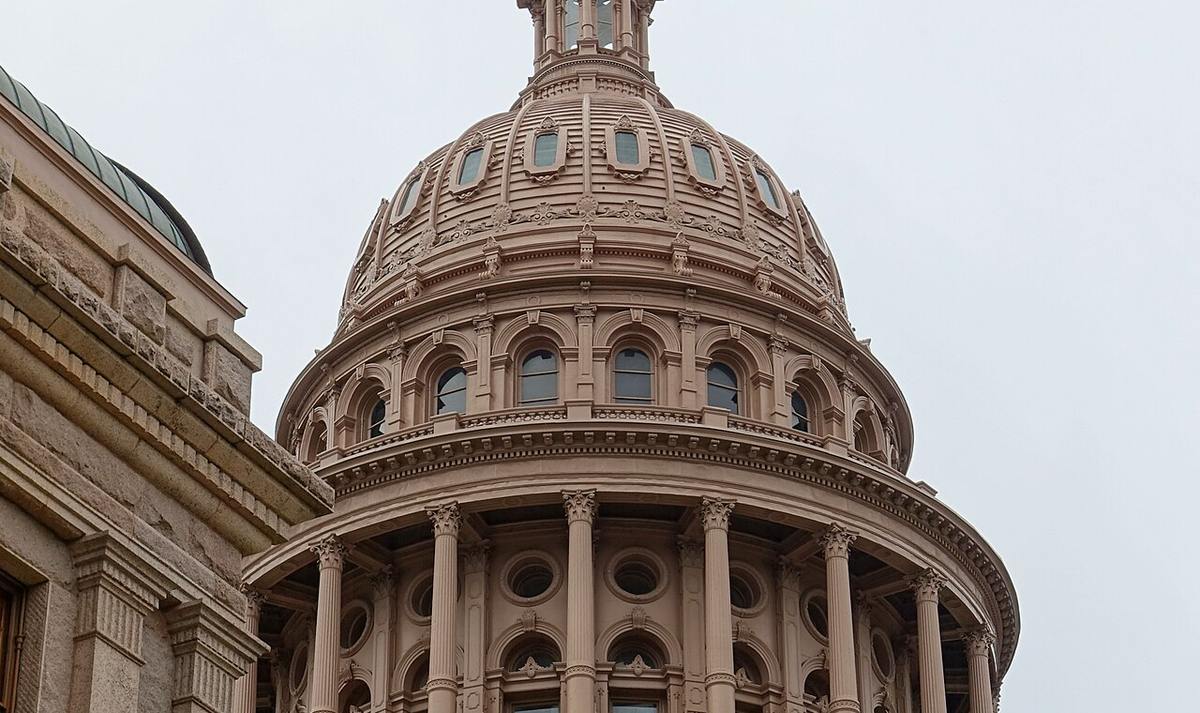
Details per the Texas Tribune, KUT Austin, Dallas Observer, KBTX and Texas Policy Research, July 2026. Penalty characterisation is attributed to statements by Austin police; enforcement can differ by jurisdiction. This article is general information and not legal advice. Photo: the Texas State Capitol, Austin — CC0, via Wikimedia Commons.