
Ask why Walgreens is closing stores and most people will say the same word: theft. It is the explanation that spread furthest, and it is not the one the company’s own reasoning rests on.
Reason 1: The Customer Stopped Walking In
The straightforward driver is that more customers order prescriptions and household products online rather than visiting a physical store.
A drugstore’s economics assume foot traffic. People came for a prescription and left with shampoo, snacks and a birthday card. Remove the walk-in and you do not just lose the prescription margin — you lose everything that used to ride along with it.
Reason 2: Filling a Prescription Pays Less Than It Used To
This is the one that rarely makes headlines and matters most.
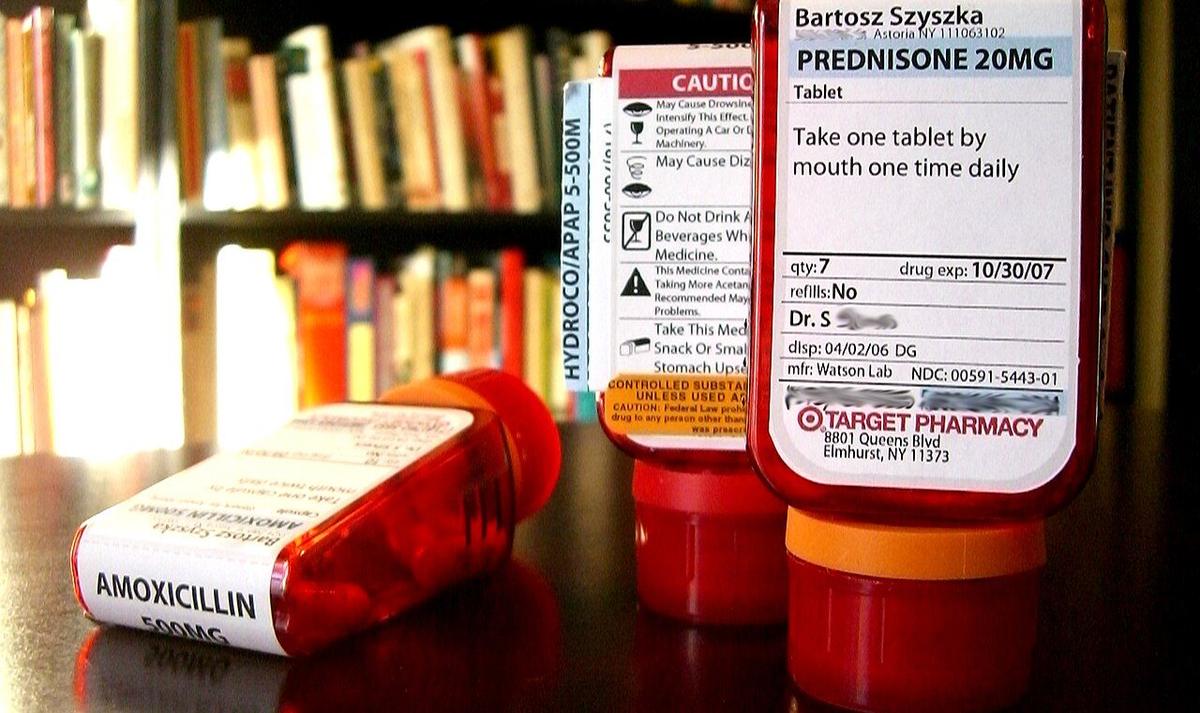
Pharmacy reimbursement rates — what insurers and pharmacy benefit managers pay a pharmacy for dispensing a drug — have become less profitable. Traditional drugstores now earn less for doing the same work.
Reason 3: The Owner Changed
In August 2025, Sycamore Partners bought Walgreens for roughly $10 billion and took it private.
Notably, that did not accelerate the closures. The new owner moved to tighter store optimisation — picking off individual underperformers — and the expected 2026 closure count fell from an internal figure near 700 to fewer than 100.
So Where Did the Theft Story Come From?
Retail theft is a genuine problem and has been cited in individual store decisions, particularly in a handful of cities that generated a lot of coverage. That is exactly why it stuck: it is visible, filmable and easy to explain.
Reimbursement rates are none of those things. A contract term between a pharmacy and a benefit manager does not produce footage — but it applies to every store in the chain, every day.
What This Tells You About the Wider Industry
If the pressure were shoplifting, it would be geographically concentrated. Because it is online migration plus reimbursement economics, it is structural — which is why pharmacy closures have not been confined to one chain or one city.
Frequently Asked Questions (FAQ)
Why is Walgreens closing so many stores?
Chiefly because customers shifted to ordering online, and because pharmacy reimbursement rates from insurers and benefit managers became less profitable.
Is Walgreens closing because of shoplifting?
Theft has been cited in individual store decisions, but it is not the main driver of the wider closure programme.
What are pharmacy reimbursement rates?
What insurers and pharmacy benefit managers pay a pharmacy to dispense a prescription. Those rates have become less profitable for drugstores.
Did private equity cause the closures?
Sycamore Partners took Walgreens private in August 2025 — and the 2026 closure count actually fell afterwards.
Is Walgreens going out of business?
No. The strategy is to shrink to a more profitable base of stores.
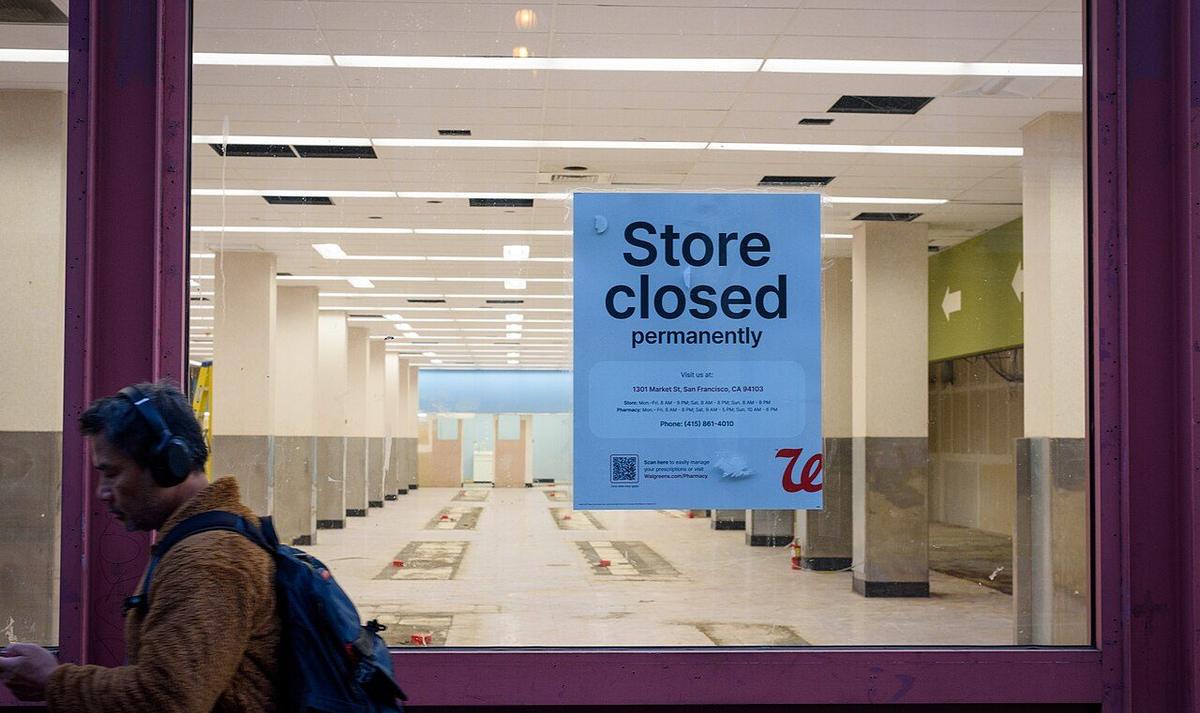
Closure counts, the Sycamore Partners acquisition, layoff figures and stated reasons per Fast Company, Inc., Newsweek, Progressive Grocer and IBTimes reporting, August 2026. Prescription-transfer details per Walgreens’ own store-closure guidance. Figures are company plans and projections and can change. Photo: a permanently closed Walgreens on Market St., San Francisco (CC BY-SA 4.0, Wikimedia Commons).