
Most people treat “watch” and “warning” as the same word. They are not, and a lot of people also do not know that a fourth, higher level exists.
The Four Levels
| Alert | What it means | What you do |
|---|---|---|
| Flood Watch | Flooding is possible — not certain, not imminent. Usually several counties. | Review your plan, gather essentials, stay informed |
| Flood Warning | Flooding is imminent or occurring — usually gradual, like a river rising. | Act. If told to evacuate, do it promptly |
| Flash Flood Warning | Sudden dangerous flooding from heavy rain, occurring or expected shortly. | Move to higher ground immediately |
| Flash Flood Emergency | Highest flood alert the NWS issues. Catastrophic flooding already under way, life-threatening. | Leave now. Never ignore it |
The One That Matters Most
A Flash Flood Emergency is not a stronger warning. It is a separate, rarer category that the National Weather Service reserves for situations where catastrophic flooding is already happening and there is potential for devastating consequences.
Because it is used so sparingly, seeing one should change your behaviour instantly. It is the flood equivalent of a tornado emergency — the service is telling you that people are in danger right now.
Watch vs Warning: The Simple Way to Remember It
The distinction is the same across almost every NWS product:
- Watch — conditions are favourable for it. Be ready.
- Warning — it is happening or about to. Take action.
The classic mental model: a watch is the ingredients on the counter; a warning is the thing already in the oven.
Why Flooding Alerts Are Different From Other Weather Alerts
Two reasons flood alerts deserve more respect than most people give them.
First, flash flooding moves faster than the alert system can always keep up with — you may go from watch to genuine danger without a neat intermediate step.
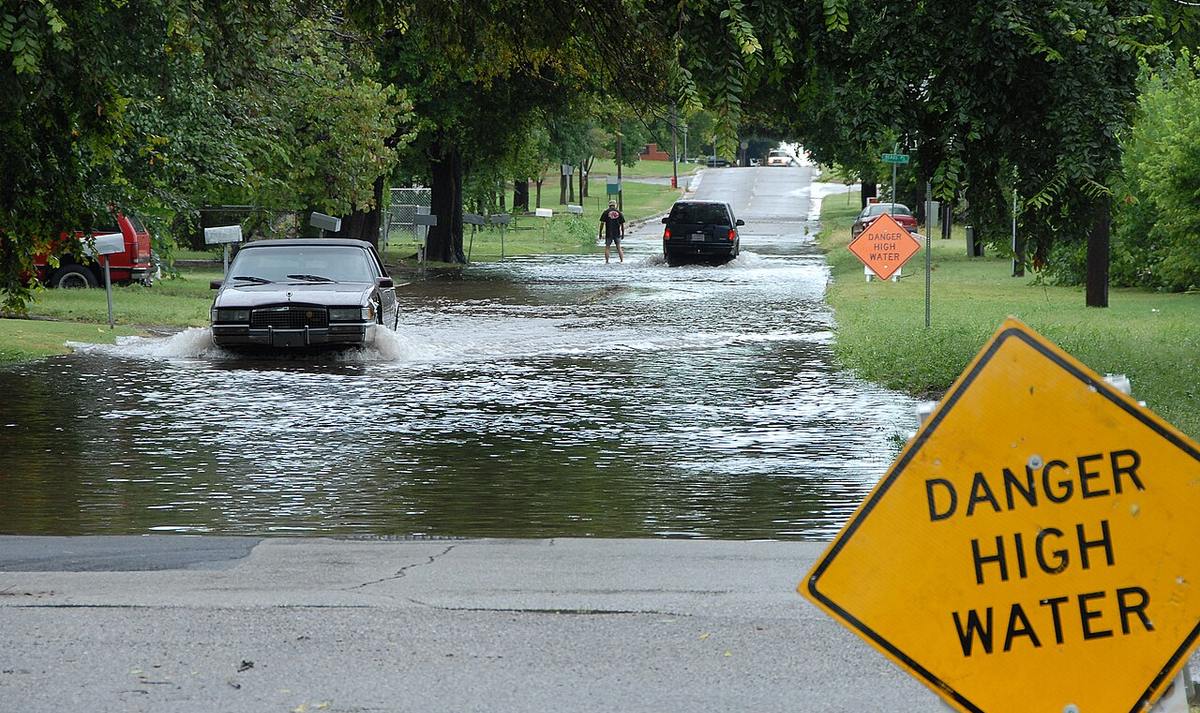
Second, most flood deaths happen in vehicles. A road that looks passable can hide a washed-out surface, and moving water needs surprisingly little depth to lift a car. “Turn around, don’t drown” exists because this is the single most common fatal mistake.
What To Do During a Watch — Before It Escalates
- Check your county specifically on weather.gov — alerts are drawn by county, not by state.
- Charge phones and power banks while power is certain.
- Move vehicles off low ground and away from creeks.
- Know one route out that does not cross water — decide it now, not later.
- Turn on Wireless Emergency Alerts on your phone if they are off.
Frequently Asked Questions (FAQ)
What is the difference between a flood watch and a flood warning?
A watch means flooding is possible — prepare. A warning means it is imminent or already happening — act.
What is a flash flood emergency?
The highest flood alert the NWS issues, reserved for life-threatening, catastrophic flooding already under way.
What is the difference between a flood warning and a flash flood warning?
A flood warning covers slower-building events such as river rises; a flash flood warning covers sudden flooding from heavy rain.
Can it go straight from watch to emergency?
Effectively yes — flash flooding can outpace the alert sequence, so do not wait for a neat escalation.
Why is driving so dangerous in floods?
Most flood deaths occur in vehicles. Moving water needs little depth to lift a car, and road damage is invisible under water.
Definitions per the National Weather Service (weather.gov), Fox Weather, Weather.com and KENS5 explainers. General safety information — always follow the specific instructions issued by your local NWS office and emergency officials. Photo: FEMA, Oklahoma flooding (public domain).