Several US food recalls are active at once, across categories that do not obviously belong together: deli meat, eggs, jalapeños and a greens powder.
The single most useful thing to understand before checking anything: none of this food looks wrong. Listeria and Salmonella do not change colour, smell or taste. That is the whole reason recalls are published by lot code and date — your senses are not a test.
The recalls
| Product | Company | Reason |
|---|---|---|
| Ready-to-eat pastrami and corned beef (~3,215 lb) | City Foods, Inc. | Listeria |
| Shell eggs — white and brown cage-free | Midwest Poultry Services | Salmonella |
| Products containing jalapeños | Taylor Fresh Foods | Salmonella |
| Organic SuperGreens Powder Mix | Food To Live | Salmonella |
Deli meat: the one to take most seriously
City Foods recalled roughly 3,215 pounds of ready-to-eat pastrami and corned beef. Product went first to foodservice locations in Illinois, Iowa and Michigan, then more widely.
Ready-to-eat meat and Listeria is a combination that gets treated urgently for a specific reason: there is no cooking step left. With raw chicken, cooking handles the risk. With sliced pastrami, whatever is on it goes straight into a sandwich.
Listeria behaves differently from the others, and this is the part worth knowing. It grows at refrigerator temperature, which most bacteria do not — so time in the fridge does not make it safer. It also has an unusually long incubation period: symptoms can appear weeks after eating, not hours, so people rarely connect the illness to the food. And it is far more dangerous for pregnant people, adults over 65, newborns and anyone immunocompromised than for a healthy adult. If you are in one of those groups, treat a deli-meat recall as serious even though the recall notice sounds routine.
Eggs
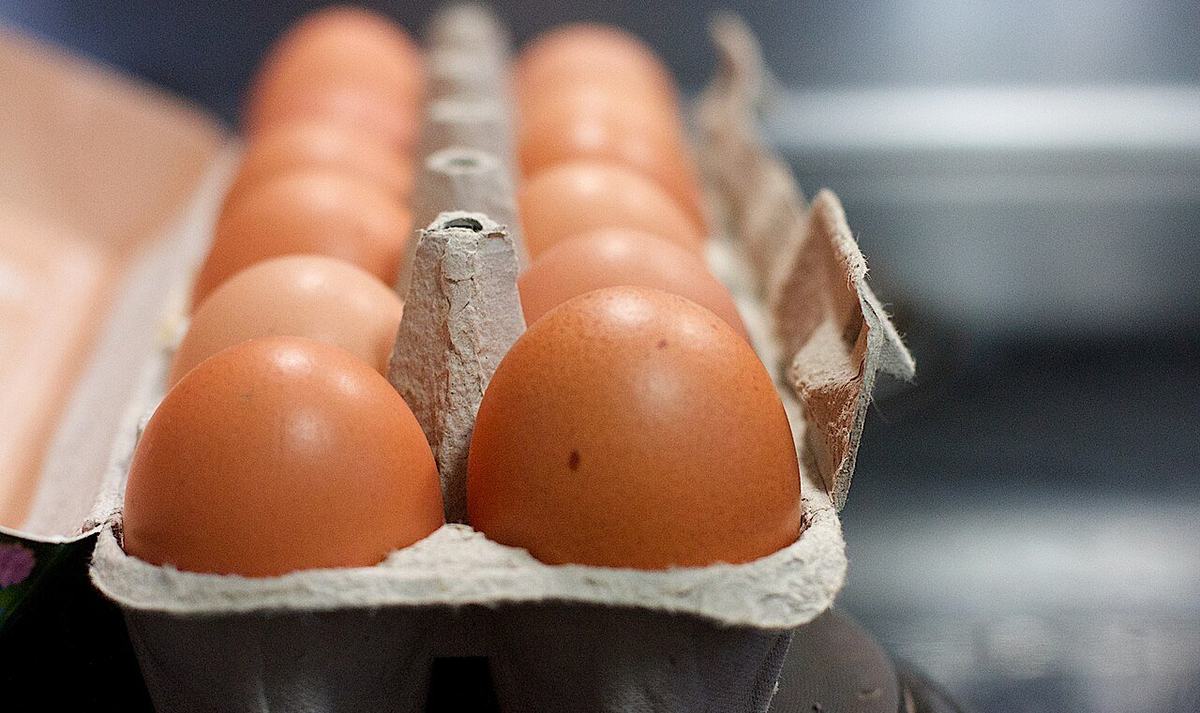
The shell egg recall from Midwest Poultry Services is tied to a multistate Salmonella outbreak investigation. Brands named include Country Morning, Cal-Maine Sunups, Brookshire’s, Simple Truth and Kroger, with sell-by or best-by dates from 20 July through 17 August 2026.
Eggs are a case where checking is easy and people still skip it, because the carton usually gets thrown away and the eggs live in the door tray. If you have loose eggs and no carton, you cannot verify them.
Jalapeños — check prepared foods, not just peppers
Taylor Fresh Foods recalled products containing jalapeños over possible Salmonella, linked to fresh jalapeños from a supplier and connected to a multistate outbreak.
This is the type of recall people miss, because the recalled item is an ingredient. The products to check are salsas, prepared salads, wraps and similar chilled items — not the loose peppers in your vegetable drawer.
What to actually do
- Check the label against the recall notice — brand, lot code, and sell-by or use-by date. All three, not just the brand.
- Do not taste it to check. There is nothing to detect.
- Return it for a refund, or throw it away sealed.
- Clean what it touched — shelves, drawers, cutting boards, containers. Listeria persists on surfaces.
- If you have eaten it and feel unwell, contact a doctor and mention the recall specifically.
Where the authoritative lists live
Recall lists change constantly, and any article — including this one — is a snapshot. The official sources are the FDA recall pages and, for meat and poultry, the USDA Food Safety and Inspection Service. Those carry the full lot codes and are updated as recalls expand.
Recalls do expand. An initial notice covering three states becoming a national one within a week is a normal sequence, not an error, so a product that was clear on Monday is worth re-checking.
Recall details described here are as reported at 1 September 2026: City Foods, Inc. recalling approximately 3,215 pounds of ready-to-eat pastrami and corned beef over possible Listeria monocytogenes contamination, with distribution to foodservice locations in Illinois, Iowa and Michigan and onward; shell eggs recalled by Midwest Poultry Services in connection with a multistate Salmonella outbreak investigation, covering brands including Country Morning, Cal-Maine Sunups, Brookshire’s, Simple Truth and Kroger with sell-by or best-by dates from 20 July to 17 August 2026; products containing jalapeños recalled by Taylor Fresh Foods over possible Salmonella linked to supplier Coast Citrus Distributors; and Food To Live Organic SuperGreens Powder Mix following an FDA sample testing positive for Salmonella. Sources include FDA and USDA FSIS recall notices and reporting by Newsweek, Food Network and Men’s Fitness. Recall scope frequently expands after an initial announcement. The FDA recall pages and USDA FSIS recall listings are authoritative and carry complete lot codes. This article is general information and not medical advice; anyone who feels unwell after eating a recalled product should seek medical attention.
Frequently Asked Questions (FAQ)
What deli meat has been recalled?
City Foods, Inc., a Chicago-based company, recalled approximately 3,215 pounds of ready-to-eat pastrami and corned beef products over possible Listeria monocytogenes contamination. Products went to foodservice locations in Illinois, Iowa and Michigan and were then distributed more widely.
Which eggs are affected?
Shell eggs recalled by Midwest Poultry Services in connection with a multistate Salmonella outbreak investigation, covering white shell eggs and brown cage-free eggs under brands including Country Morning, Cal-Maine Sunups, Brookshire’s, Simple Truth and Kroger, with sell-by or best-by dates from 20 July through 17 August 2026.
What is the jalapeño recall?
Taylor Fresh Foods recalled products containing jalapeños over possible Salmonella contamination, linked to fresh jalapeños supplied by Coast Citrus Distributors and connected to a multistate outbreak investigation. Because jalapeños are an ingredient, the affected items include prepared foods rather than only whole peppers.
Can I tell if food is contaminated by looking at it?
No. Listeria and Salmonella do not change how food looks, smells or tastes. That is precisely why recalls are issued by lot code and date rather than by appearance.
Who is most at risk from Listeria?
Pregnant people, adults over 65, newborns and anyone with a weakened immune system. For those groups Listeria can cause serious illness, which is why ready-to-eat meat recalls are treated more urgently than they might appear.
What should I do if I have a recalled product?
Do not eat it. Return it to the retailer for a refund or throw it away, and clean any surfaces and containers it touched. If you have eaten it and feel unwell, contact a doctor and tell them about the recall.