
Forty property management companies have agreed to pay a combined $359,925,000 to settle claims that they used RealPage’s revenue-management software to coordinate and inflate rents. If you rented an apartment in the United States between 18 October 2018 and 21 November 2025, there is a real chance you are in the class — and a ten-second address check will tell you.
The settling companies include some of the largest landlords in the country: Greystar Management Services, Equity Residential, Lincoln Property Co., Mid-America Apartment Communities and Avenue5 Residential, among others.
The class, precisely
| Who | Individuals and entities in the US and its territories who paid rent directly to an owner, manager or owner-operator of an affected property |
| What kind of home | A multifamily residential lease — apartment buildings, not single-family rentals |
| When | 18 October 2018 – 21 November 2025 |
| The software | RealPage Revenue Management Solutions, Lease Rent Options, YieldStar or AI Revenue Management |
| Claim deadline | 29 January 2027 |
| Final approval hearing | 15 October 2026 |
| Payment | Pro rata, based on rent paid |
Start with the address lookup
The settlement site publishes a searchable list of affected properties at RealPageRentalSettlement.com. Put in the address of anywhere you rented during those seven years and it will tell you whether that building is on the list.
The lookup is a starting point, not the final word. The settlement administrator states plainly that renters whose buildings do not appear on the list may still qualify. The list reflects properties identified so far; a gap in it is not a rejection. If you rented from one of the settling companies during the class period, it is worth filing regardless of what the lookup returns.
What the case alleged
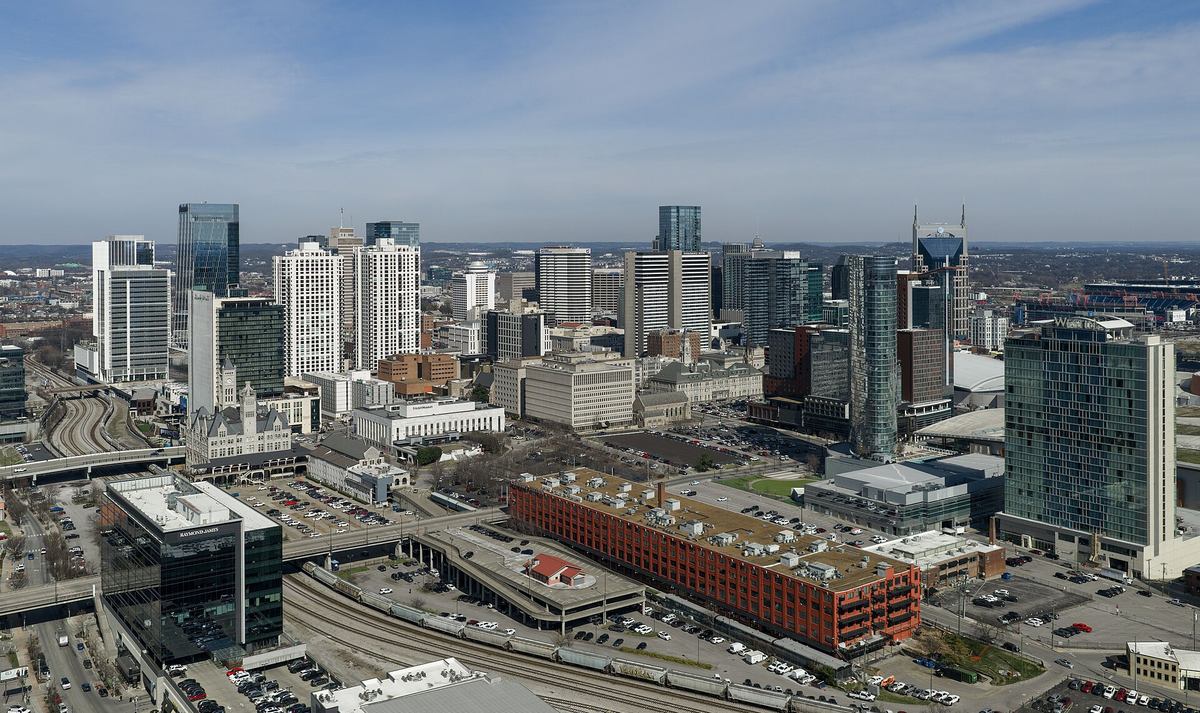
The litigation — In re RealPage, Inc., Rental Software Antitrust Litigation (No. II), MDL No. 3:23-md-03071 in the Middle District of Tennessee — alleged that landlords who would ordinarily compete with one another instead fed competitively sensitive pricing data into a common piece of software, and then followed the rent recommendations it produced.
The legal theory is worth understanding because it is unusual. The claim was not that the landlords met in a room. It was that the software did the coordinating for them — that pooling private data into a shared algorithm and acting on its output had the same effect as an agreement to fix prices, in violation of the Sherman Act and state antitrust laws.
“Partially resolve” means this is not over
These settlements do not end the case. They were approved in two batches — 26 settlements preliminarily approved in November 2025, and a further 11 agreements covering 14 companies preliminarily approved on 22 May 2026. Litigation continues against defendants that have not settled.
Practically, that means two things. Filing now does not stop you from being part of a later settlement with a different landlord. And if your building is not covered today, it is not necessarily outside the case forever.
How payments are worked out
Cash is distributed pro rata, weighted by the rent you paid during the covered period and adjusted for estimated overcharges. Renters who paid the most over the longest stretch receive the largest shares.
That structure makes this settlement different from the flat-rate ones. Someone who spent five years in a high-rent apartment covered by the class stands to receive meaningfully more than someone who was there for four months — which also means it is worth listing every qualifying tenancy on the claim form, not just the most recent one.
Filing
Claims are submitted at RealPageRentalSettlement.com, either online using the notice ID and confirmation code if you received a notice, or by downloading a PDF form and posting it. The administrator can be reached on 1-888-995-4213.
The deadline is 29 January 2027, online or postmarked. The exclusion and objection deadline of 1 September 2026 has already passed, so the remaining decision for most renters is simply whether to file.
In re RealPage, Inc., Rental Software Antitrust Litigation (No. II), MDL No. 3:23-md-03071, US District Court for the Middle District of Tennessee. Settlements totalling $359,925,000 across 37 agreements with 40 property management entities partially resolve the litigation; claims against non-settling defendants continue. The final approval hearing is set for 15 October 2026 and claims must be submitted or postmarked by 29 January 2027 at RealPageRentalSettlement.com.
Frequently Asked Questions (FAQ)
Who qualifies?
People and entities in the US and its territories who paid rent on at least one multifamily residential lease directly to an owner, manager or owner-operator of a property licensed to use RealPage revenue management software between 18 October 2018 and 21 November 2025.
What is the claim deadline?
29 January 2027, online or postmarked.
My building is not on the property list. Am I out?
Not necessarily. The settlement administrator states that renters whose properties do not appear on the list may still qualify. The list reflects properties identified so far.
How much will I get?
Payments are pro rata and weighted by the rent you paid during the class period, adjusted for estimated overcharges, so longer tenancies and higher rents receive larger shares.
Does this end the case?
No. These settlements partially resolve the litigation. Claims continue against defendants that have not settled.
Do I need proof of my rent payments?
You need to submit a timely, valid claim form. Filing online uses the notice ID and confirmation code if you received a notice; a PDF form can be posted instead.
When is the final approval hearing?
15 October 2026. No payments can be distributed until after final approval and the resolution of any appeals.