
“Flesh-eating bacteria” is one of those phrases that makes a story travel and makes it harder to understand. Here is what the Louisiana numbers actually say, and the one route almost every headline leaves out.
What Louisiana Has Recorded
| Deaths in 2026 | 5 |
| Total cases | at least 9 |
| Hospitalised | All 9 |
| Had an underlying condition | All 9 |
| Ten-year Louisiana average | about 7 cases, 1 death per year |
So the case count is not far off normal. The death count is five times it. That is the part worth paying attention to.
The Route Everyone Forgets
Ask most people how you catch this and they will describe a cut in the ocean. That is one route. It is not the only one.
| Route | What it looks like |
| Through the skin | An open wound — a cut, a scrape, a new tattoo, a piercing — exposed to warm coastal seawater |
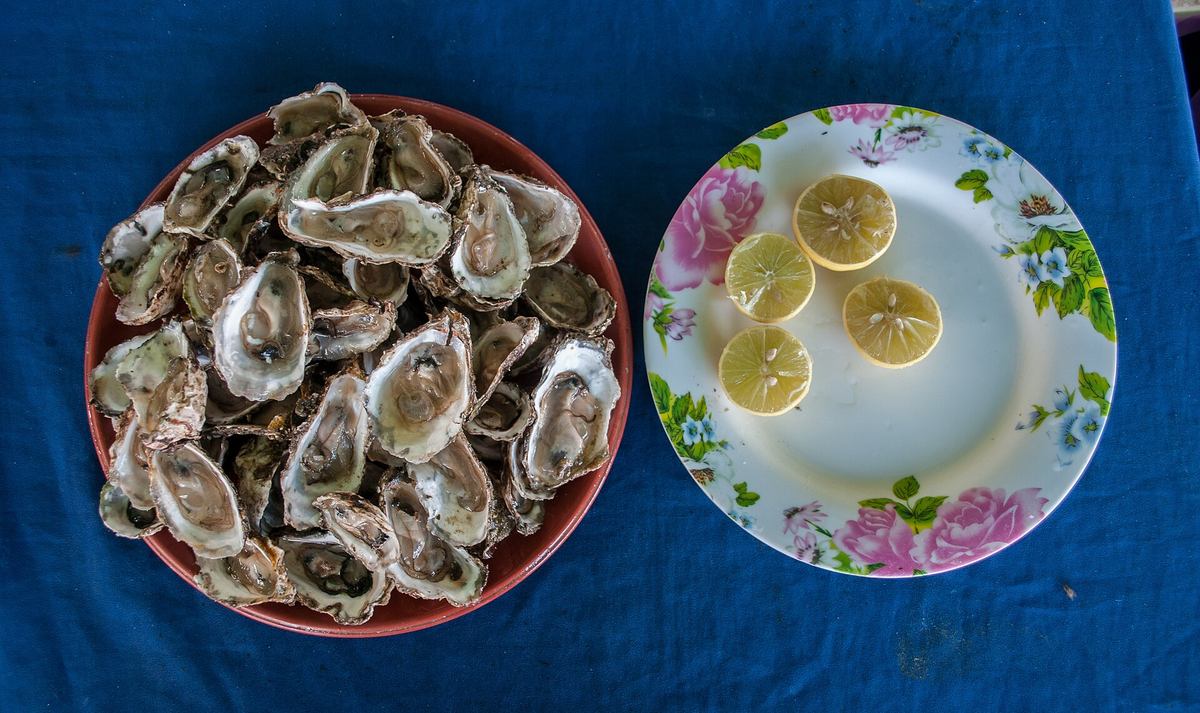
| Through food | Eating raw or undercooked shellfish, especially oysters. Two of this year’s five deaths were linked to contaminated raw oysters. |
That second row is why a story about coastal water ends up being a story about a restaurant order. You do not have to go near the Gulf to be exposed — the Gulf can arrive on a plate.
Roughly One in Five Die
Vibrio vulnificus is the most serious of about a dozen Vibrio species, and about one in five people who contract it die. Severe cases can require amputation of an affected limb.
Hold that next to the case count and you get the correct shape of this risk: rare, and severe when it happens. Nine cases in a state of about 4.5 million people is not a reason to cancel a beach holiday. A one-in-five fatality rate is a very good reason to take an unusual-looking wound seriously the same day.
Who Is Actually at Risk
The single clearest signal in Louisiana’s figures: every one of the nine patients had an underlying health condition.
That is not a guarantee for anyone else, and healthy people do get infected. But it is the pattern the data shows, and it is the reason public health advice on this is aimed squarely at people who are already unwell. If you have a chronic condition or a weakened immune system, the warnings about raw oysters and about swimming with an open wound are written for you specifically — and are worth raising with your own doctor rather than judging yourself.
Is It Safe to Swim in the Gulf?
For most people, on most days, yes — and public beaches are not being closed over this.
The practical rule is narrower than “stay out of the water”:
- Do not go in warm coastal or brackish water with an open wound — including fresh tattoos and piercings. Cover it properly or stay out.
- Wash immediately with soap and clean water if a wound does get exposed.
- Handle raw shellfish carefully — shucking cuts are a route in on their own.
- The bacterium likes warmth, so the risk is a summer and early-autumn one rather than a year-round one.
What to Watch For
The thing that separates this from an ordinary infection is speed. A wound infection that worsens visibly over hours — spreading redness, severe pain out of proportion to the wound, swelling, skin changes, fever — is an emergency, not a wait-and-see.
From food, illness typically shows as severe gastrointestinal symptoms, and in vulnerable people can progress to bloodstream infection.
In both cases the useful thing you can do is tell them about the exposure. “I was in the Gulf” or “I ate raw oysters” is the sentence that gets the right test ordered.
Frequently Asked Questions (FAQ)
How do you get Vibrio vulnificus?
Two ways: an open wound exposed to warm coastal seawater, or eating raw or undercooked shellfish, especially oysters.
Can you get flesh-eating bacteria from oysters?
Yes. Two of Louisiana’s five deaths in 2026 were linked to contaminated raw oysters. Hot sauce, lemon and alcohol do not kill it — cooking does.
How deadly is it?
About 1 in 5 people who contract Vibrio vulnificus die. Severe cases can lead to amputation.
Is it safe to swim in the Gulf?
For most people, yes. The specific rule is do not enter warm coastal water with an open wound, including fresh tattoos and piercings, and wash immediately if one is exposed.
Who is most at risk?
All nine Louisiana patients this year had an underlying health condition. Advice about raw oysters and open wounds is aimed particularly at people who are already unwell.
Louisiana case count, death toll, hospitalisation figures, the underlying-condition finding, the ten-year state average and the link between two deaths and contaminated raw oysters per Louisiana Department of Health figures as reported by CBS News, NOLA.com and the Louisiana Illuminator, August 2026. Fatality rate of roughly one in five and the description of Vibrio vulnificus as the most serious of about a dozen Vibrio species per the same reporting and public health sources. This is general information and not medical advice — for symptoms or exposure, contact a doctor or your local health department. Photo: a plate of raw oysters with lemon by Wilfredor, CC0 via Wikimedia Commons, cropped — illustrative; these are not implicated in any outbreak.