
West Nile is entering the weeks that matter. August and September are peak transmission season in the United States, and 2026 has already run ahead of every recent year.
What Actually Happens If You Are Infected
| Share | What happens |
| 8 in 10 | No symptoms whatsoever. Most never learn they had it. |
| About 1 in 5 | Fever, plus headache, body aches, joint pains, vomiting, diarrhoea or a rash. This is “West Nile fever”. |
| About 1 in 150 | Severe neuroinvasive disease — meningitis, encephalitis or acute flaccid paralysis. |
Why 38 of the First 48 Cases Were the Severe Kind
If severe disease is roughly 1 in 150 infections, how were 38 of the first 48 reported cases of 2026 neuroinvasive? That looks like a contradiction, and it is the single most misread thing about West Nile reporting.
It is not a contradiction, because those two numbers count different things.
Which means the reported total is a floor, not a measurement. For every counted case there are many uncounted infections, most of which caused nothing at all.
The 2026 Season So Far
As of 30 June 2026, the CDC had confirmed 48 human cases across 23 states — close to five times the historical average for that point in the year, and the earliest start to a season since 2004.
- Arizona accounted for 32 of the 48, with 29 of those in Maricopa County — Phoenix and its metro area.
- Maricopa County Department of Public Health reported five deaths as of 1 July 2026.
Those figures are a snapshot, not a running total — surveillance numbers are updated through the season and will be higher now than the dates above. Peak transmission is only just arriving.
Is West Nile Contagious?
Not from person to person. You cannot catch it from someone who has it — not by touching, kissing, sharing a room or caring for them. It comes from the bite of an infected mosquito.
There are rare exceptions worth stating honestly: transmission has been documented through blood transfusion, organ transplant, and from mother to baby during pregnancy or breastfeeding. These are uncommon, and blood supplies in the US are screened for the virus.
How Long Does It Last?
For West Nile fever, the illness itself is usually a matter of days. The part people are not warned about is what comes after.
Most people recover completely — but fatigue and weakness can persist for weeks or months. That lingering exhaustion is a normal part of the recovery, not a sign the illness has returned.
Severe neuroinvasive disease is different in kind, not just degree. It can cause lasting neurological effects, and recovery from it can take a very long time.
Is There a Vaccine?
This is the fact that surprises people most.
There is also no specific antiviral treatment. Care is supportive: fluids, pain relief, and hospital treatment for the severe cases.
Which leaves prevention as the whole strategy — and prevention means not getting bitten.
What Actually Reduces the Risk
- Repellent on exposed skin, applied properly rather than sprayed near the body.
- Long sleeves at dusk and dawn — the hours the Culex mosquitoes that carry West Nile are most active.
- Tip out standing water weekly. Plant saucers, buckets, gutters, birdbaths, tarpaulins, old tyres. A mosquito needs remarkably little water and about a week.
- Intact screens on windows and doors.
The standing-water point is the one that pays off most, because it removes the mosquitoes rather than just avoiding them — and the water breeding them is usually in your own garden, not a swamp somewhere.
Frequently Asked Questions (FAQ)
What are the symptoms of West Nile virus?
8 in 10 people have none. About 1 in 5 get fever with headache, body aches, joint pains, vomiting, diarrhoea or a rash. About 1 in 150 develop severe neuroinvasive illness.
Is West Nile virus contagious?
Not between people. It spreads through infected mosquito bites. Rare exceptions are blood transfusion, organ transplant and mother to baby.
How long does West Nile virus last?
The fever usually passes in days, but fatigue and weakness can last weeks or months even in people who recover completely.
Is there a vaccine for West Nile virus?
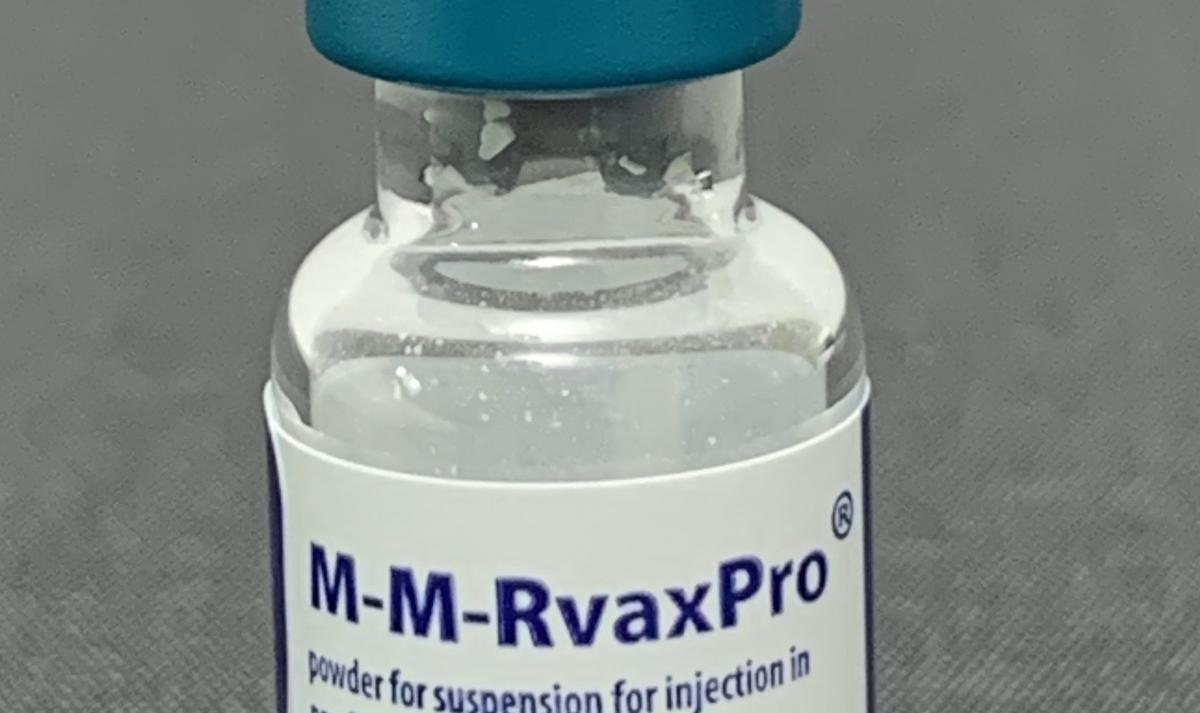
Not for humans. There is an approved annual vaccine for horses. There is also no specific antiviral treatment for people.
When is West Nile season?
Summer into autumn, with August and September the peak transmission months in the United States.
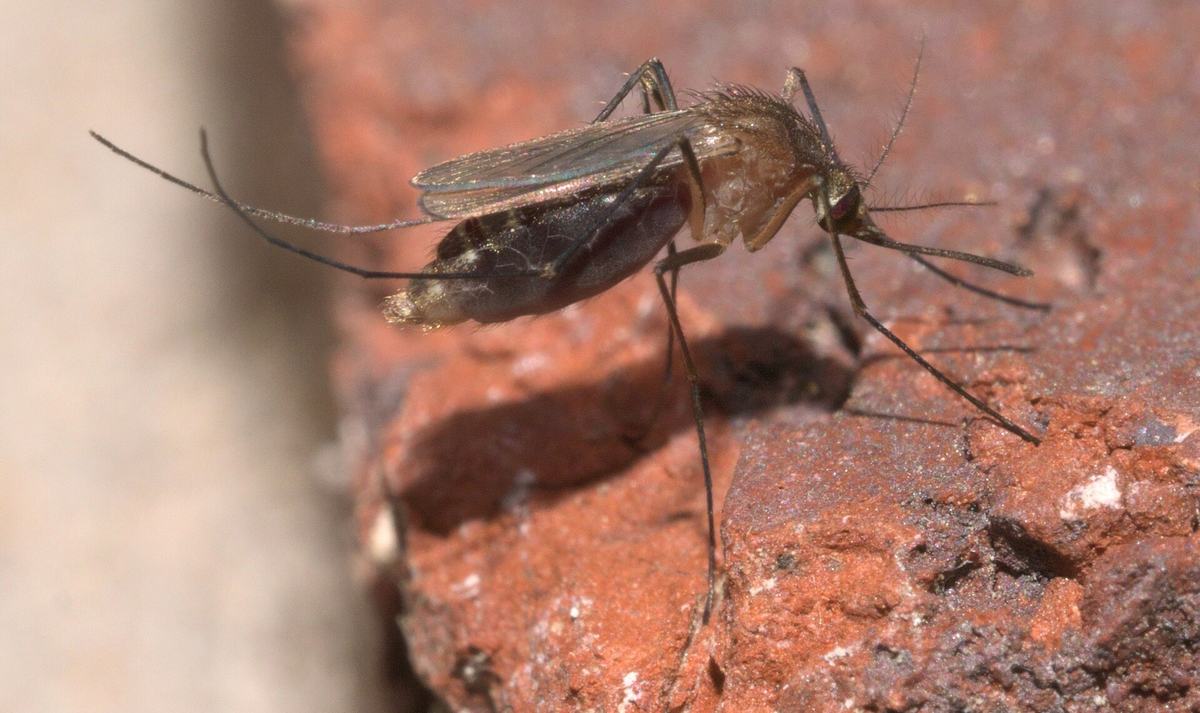
Symptom proportions, transmission routes, absence of a human vaccine and the lack of specific treatment per the US Centers for Disease Control and Prevention. Equine vaccination guidance per the American Association of Equine Practitioners. 2026 season figures are as reported for 30 June 2026 (national) and 1 July 2026 (Maricopa County) and are updated through the season, so current totals will be higher. General information, not medical advice — contact your doctor or local health department about your own situation. Photo: Culex quinquefasciatus, the southern house mosquito, Mayes County, Oklahoma, by Robert Webster, CC BY-SA 4.0 via Wikimedia Commons, cropped.