
This settlement has closed. The claim deadline was 27 August 2026 and has passed. New claims can no longer be submitted, and any site still inviting you to file for this settlement should be treated with caution.
If you filed: a final approval hearing is scheduled for 1 October 2026. Payments follow approval and the resolution of any appeals, so expect a wait of months rather than weeks. Press estimates put payments at roughly $18–$56 per Google Home, Nest Hub or Pixel device, and around $2–$10 for Assistant users, though final amounts depend on the number of valid claims.
The claim window for In re Google Assistant Privacy Litigation closes on 27 August 2026. The case concerns Google Assistant recording people through unintended activations — a “false accept”, where the device wakes up without anyone meaning to trigger it — and material being passed to human reviewers.
If you have read that you can file with nothing but a signature, stop. That is the single most repeated error about this settlement, and it will send you to a form you cannot finish.
What the Official Form Actually Demands
The claim form’s own wording is unambiguous: you must provide the device type, model name, and serial number or IMEI for the applicable Google Assistant enabled device in your household.
Practically, that means digging out a number from a speaker you may have replaced years ago. On a Google Home or Nest device the serial is printed on the base or underside. On a Pixel the IMEI is in Settings, or on the original box. If the device is long gone but the box or the order confirmation is not, that is where to look first.
The Two Classes, and the Cap
| Class | Who | Points |
| Purchaser | Bought a Google-made device in the US or its territories during the class period | 4 per device — capped at 3 devices per claimant (12 max) |
| Privacy | Used, or shared a household with someone who used, any Google Assistant enabled device — Google-made or not — and was recorded via a false accept, or had material sent to human review | 1 |
| Both | One person can be in both classes and ticks both boxes on the same form | 13 max |
The two lists are not the same list, and merging them is the most damaging error in circulation. The purchaser class is limited to Google-Made Devices: Google Assistant enabled devices that Google itself manufactured and sold. The privacy class is not limited to Google hardware at all. It covers any Google Assistant Enabled Device, which the claim form defines as a device that comes with Google Assistant pre-installed or on which Google Assistant can be downloaded. A Samsung, OnePlus or Motorola phone qualifies. So does a third-party smart speaker or an Assistant smart TV. If you have only ever owned non-Google hardware, you are still very likely in the privacy class — and that is much the largest eligible group here.
The three-device cap is the other thing routinely left out. It is a flat four points per device — not a sliding scale — and it stops at three. But the cap is three devices per person filing, not per household — each Settlement Class Member files their own claim form. The form says so directly: each User or Household Member must file their own separate claim, and a separate form is required for each minor.
The other consequence of two classes is that twelve points is not the ceiling. The form has a checkbox for each class and the attestation refers to participating “as a member of one or both Settlement Class(es)”. Someone who bought three Google devices and was recorded through a false accept ticks both boxes and claims 13 points. Tick both if both apply to you.
Purchaser claims also require proof of purchase uploaded with the form, per device, alongside the model name and serial or IMEI. Not “may be required”. Required.
What It Pays
Honestly: nobody can tell you, and you should distrust any figure presented as fact.
The fund is $68,000,000, and payment is a pro rata share by points after fees and costs — so the per-point value depends entirely on how many valid claims arrive. Various sites are quoting confident per-device dollar ranges. Those figures do not appear in the executed settlement documents, and we are not going to repeat them.
Dates and Devices
| Claim deadline | 27 August 2026 |
| Exclusion (opt-out) deadline | 27 August 2026 |
| Objection deadline | 27 August 2026 |
| Final approval hearing | 1 October 2026, 9:00 a.m. PT — Judge Beth Labson Freeman, US District Court, Northern District of California, San Jose |
| Class period | 18 May 2016 – 19 March 2026 |
| Who can file | People who reside in the United States or its territories. Territories count — Puerto Rico, Guam, the US Virgin Islands, American Samoa |
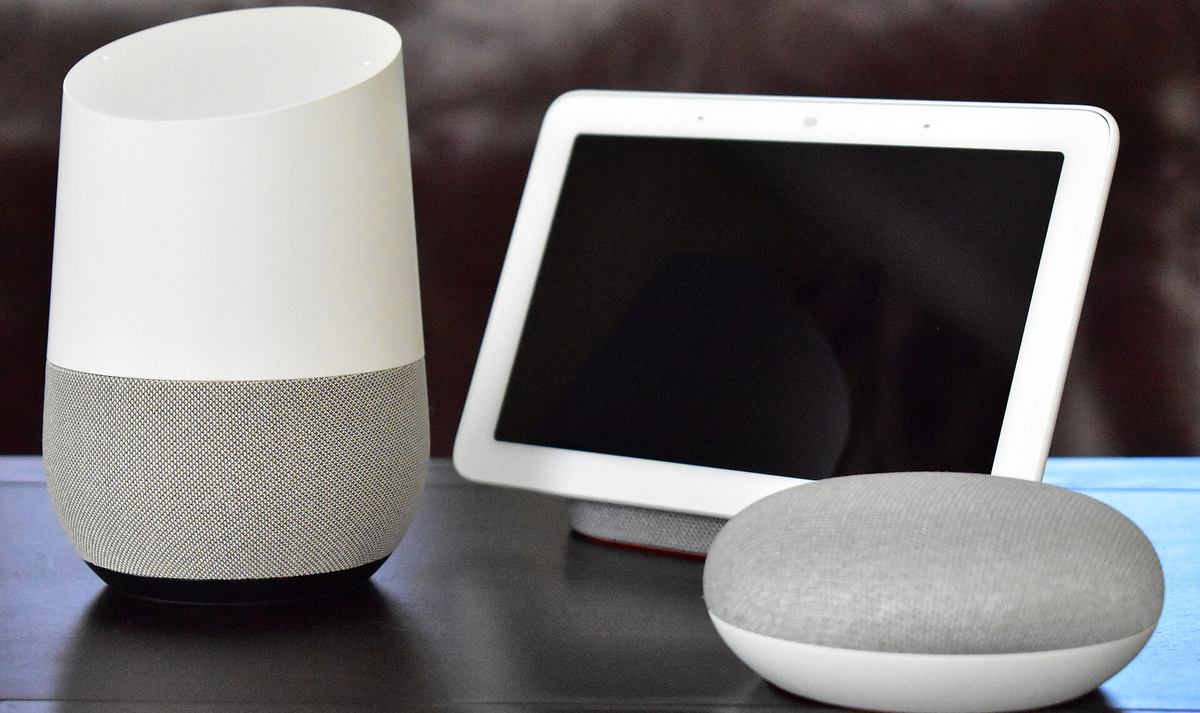
| Purchaser devices | Google-Made Devices only, including but not limited to Google Home, Home Mini, Home Max, Nest Audio, Nest Mini, Nest Hub, Nest Hub Max, Pixel phones, Pixelbook, Pixelbook Go, Pixel Slate, Chromecast with Google TV, Pixel Buds |
| Privacy devices | Any Google Assistant enabled device, Google-made or not — any phone, speaker, display or TV with Assistant pre-installed or downloadable |
| Administrator | A.B. Data, Ltd. — 1-877-411-4704 |
Note what that table does: all three deadlines land on the same day. On most settlements the opt-out and objection dates fall weeks before the claim date, and readers who have filed one claim before tend to assume the same here. If you want to exclude yourself — the only way to keep the right to sue Google separately over these claims — or you want to object to the terms while staying in, 27 August 2026 is your date too. Miss it and both options are gone, and doing nothing releases your claims.
Filing is also gated on where you live. The claim form has a tick box reading that you reside in the United States or its territories, and the form is signed under penalty of perjury under US law. Both class definitions turn on the same wording. If you are reading this outside the US, this settlement is not open to you, whatever a third-party site may say.
Frequently Asked Questions (FAQ)
Do I need proof for the Google Assistant settlement?
Yes. Even the privacy-only claim needs the device type, model name and serial number or IMEI. Purchaser claims additionally need receipts uploaded. There is no no-proof route.
What are the deadlines?
27 August 2026 for all three of them. The claim deadline, the exclusion deadline and the objection deadline all fall on the same day, which is unusual and easy to miss — on most settlements the opt-out date is earlier than the claim date. Claims are filed at googleassistantprivacylitigation.com, the site of the court-appointed administrator, A.B. Data, Ltd. The final approval hearing is 1 October 2026 at 9:00 a.m. Pacific Time before Judge Beth Labson Freeman at the US District Court for the Northern District of California in San Jose. Payment does not follow straight after the claim deadline.
How many devices can I claim for?
Three — and the cap is three devices per person filing, not per household. The claim form states that each User or Household Member must file their own separate claim, so two adults in one home file two forms. The purchaser class is a flat four points per device up to that cap, giving twelve points. If you also qualify for the privacy class you can tick both boxes on the same form for one further point, so thirteen points is the real maximum, not twelve.
How much will it pay?
Unknown. It is a pro rata share by points of a $68 million fund after fees. Per-device dollar figures circulating online do not appear in the settlement documents.
Which devices are covered?
It depends which class you are in, and merging the two lists is the most common error in coverage of this settlement. The purchaser class covers Google-Made Devices only, meaning Google Assistant enabled devices manufactured and sold by Google: Google Home, Home Mini, Home Max, Nest Audio, Nest Mini, Nest Hub, Nest Hub Max, Pixel phones, Pixelbook, Pixelbook Go, Pixel Slate, Chromecast with Google TV and Pixel Buds. The privacy class is much broader and is not limited to Google hardware. It covers any Google Assistant Enabled Device, which the claim form defines as a device that comes with Google Assistant pre-installed or on which Google Assistant can be downloaded — so Samsung, OnePlus and Motorola phones, third-party smart speakers and Assistant smart TVs all count. The class period for both is 18 May 2016 to 19 March 2026.
Can I file if I do not live in the United States?
No. The claim form requires you to tick a box attesting that you reside in the United States or its territories, and the whole form is signed under penalty of perjury under the laws of the United States. Both class definitions are limited to Users who reside in the US or its territories. Territories do count, so Puerto Rico, Guam, the US Virgin Islands and American Samoa are in, but a reader outside the United States is not eligible and should not file.
Correction, 9 August 2026: an earlier version of this article applied the Purchaser Class device list to both classes, which wrongly implied that people whose only Assistant hardware is non-Google were ineligible; said twelve points was the ceiling, when a claimant in both classes can reach thirteen; and described the three-device cap as a household limit, when it applies per person filing. It also omitted the exclusion and objection deadlines, the final approval hearing and the US residency requirement. All are corrected above. The claim, exclusion and objection deadlines of 27 August 2026, the $68,000,000 fund, the 18 May 2016 to 19 March 2026 class period, the separate Purchaser Class and Privacy Class definitions, the definition of a Google Assistant Enabled Device as one with Assistant pre-installed or on which it can be downloaded, the requirement to supply device type, model name and serial number or IMEI, the mandatory proof of purchase for purchaser claims, the maximum of three Google-Made Devices per claim form, the instruction that each User or Household Member files a separate claim, the attestation of residence in the United States or its territories, and the attestation revoking any prior exclusion from the certified Purchaser Class, all verified against the court-appointed administrator’s claim form at googleassistantprivacylitigation.com, August 2026. The Purchaser Class device model list and the 9 September 2024 exclusion deadline for the previously certified Purchaser Class are taken from the court-filed amended long-form notice in the same case. The final approval hearing of 1 October 2026 at 9:00 a.m. Pacific Time before Judge Beth Labson Freeman in San Jose is as announced by the administrator and class counsel. The four points per purchased device and the single point for the privacy class do not appear in the claim form itself and are drawn from the settlement’s allocation terms as reported; of the figures on this page, treat those two point values as the least firmly sourced. Per-device dollar estimates circulating on third-party sites could not be located in the executed settlement documents and are deliberately not reproduced here. Google has agreed to settle; a settlement is not an admission of liability, and terms can be changed by order of the court. This is general information, not legal advice. Photo: Google Home, Google Home Hub and Google Home Mini by Y2kcrazyjoker4, CC BY-SA 4.0 via Wikimedia Commons, cropped.