
The Atlantic hurricane season officially runs from 1 June to 30 November. That is six months, and it is a misleading way to think about the risk, because the danger is not spread evenly across it.
The Peak Is a Date: 10 September
The climatological peak of the Atlantic season is 10 September. That is the calendar date on which, across the historical record, the most tropical storms and hurricanes have been active in the basin at once.
Around half of all Atlantic seasons since 1966, when the satellite era began, have had at least one hurricane somewhere in the basin on 10 September.
The busy stretch around it runs from roughly mid-August to mid-October. Which means, as of today, the quiet part of the season is nearly over.
Why That Date and Not Another
Four things line up in early September, and a hurricane needs all of them.
- The ocean is at its warmest. Sea-surface temperatures peak weeks after the longest day, because water takes months to heat. Warm water is the fuel.
- Upper-level winds relax. Wind shear tears developing storms apart. In early autumn the tropical Atlantic goes comparatively still, and storms are left alone to organise.
- The Saharan dust thins out. Dry, dusty air blowing off Africa suppresses storm formation through the early summer, and it fades by September.
- African easterly waves keep coming. These disturbances roll off the west coast of Africa through the season and are the seeds most major Atlantic hurricanes grow from.
Take any one away and the season stays quiet. That is why June and July are usually mild even though the season is technically open — the water is not hot enough yet and the shear is still strong.
Hurricane Watch vs Hurricane Warning
| Hurricane Watch | Hurricane Warning | |
| Means | Hurricane-force winds are possible | Hurricane-force winds are expected |
| Issued | 48 hours ahead | 36 hours ahead |
| Ahead of what? | The onset of tropical-storm-force winds — 39 mph. Not the hurricane itself. | |
| Wind defined | Hurricane force is sustained 64 knots / 74 mph or higher. | |
The 39 mph Detail, and Why It Matters More Than Anything Else Here
Read the third row again, because it changes what a warning actually tells you.
So “36 hours” is not 36 hours of usable time before a storm arrives. It is 36 hours until you should already be finished — boarded up, fuelled up, evacuated if told to. Climbing a ladder with shutters in 45 mph gusts is how people get hurt long before the hurricane makes landfall.
The winds that end your preparation window arrive hours before the ones the headline is about.
Where the 2026 Season Stands
The National Hurricane Center’s active-storms list was empty when this was written, and the season so far has been running below its usual pace by the measures forecasters follow.
That is normal for the first week of August, and it is not a forecast for what follows. Seasons that start slowly can turn quickly, because the ingredients above arrive on the calendar regardless of what June and July did.
The live list of active systems is published at nhc.noaa.gov.
Frequently Asked Questions (FAQ)
When is the peak of hurricane season?
10 September is the climatological peak of the Atlantic season, with the busiest stretch running mid-August to mid-October.
Why is September the worst month for hurricanes?
Sea temperatures are at their warmest, wind shear is at its weakest, Saharan dust has thinned, and African easterly waves are still rolling off the coast — all four at once.
What is the difference between a hurricane watch and a warning?
A watch means hurricane conditions are possible and is issued 48 hours ahead. A warning means they are expected and is issued 36 hours ahead.
36 hours before what, exactly?
Before tropical-storm-force winds (39 mph) arrive — not before the hurricane. Preparation becomes unsafe at that point, so your real deadline is earlier than the storm.
When does hurricane season start and end?
The Atlantic season runs 1 June to 30 November, but most activity is concentrated in the middle of that window.
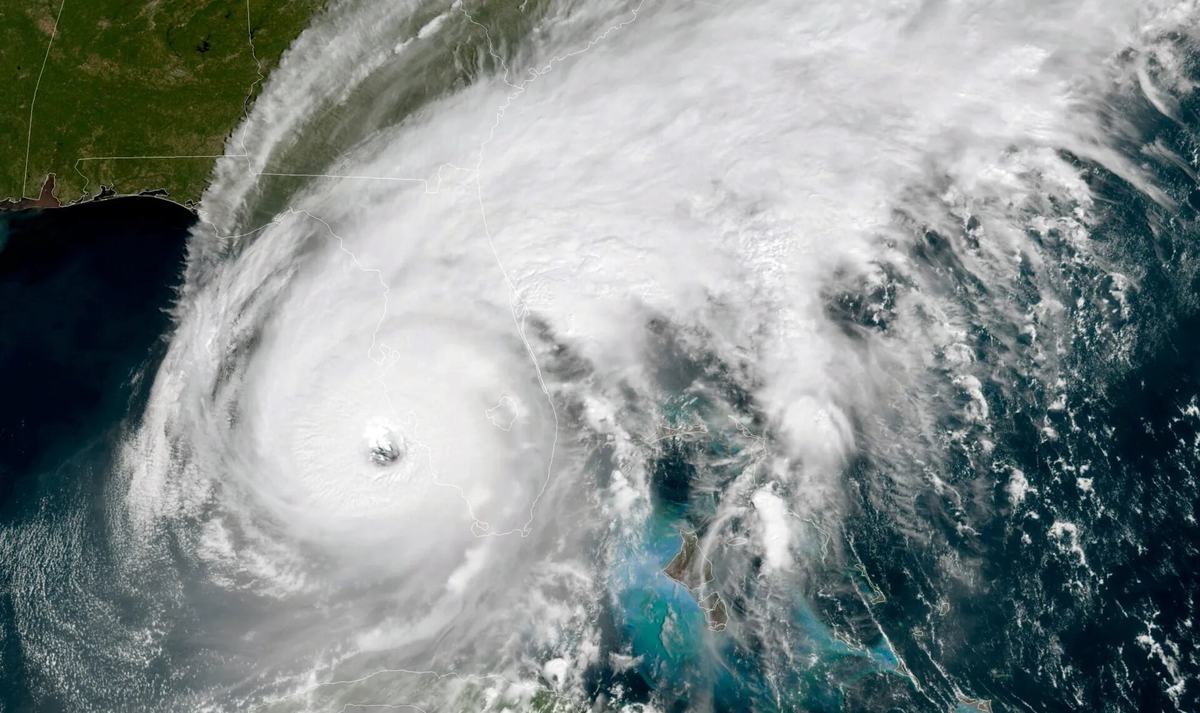
Peak date, seasonal climatology and the reasons behind the early-September maximum per NOAA and the National Hurricane Center. Watch and warning lead times and the 64-knot definition per the National Hurricane Center glossary. The active-storm count was taken from the NHC current-storms feed on 6 August 2026 and changes continuously — check nhc.noaa.gov for the live list. Photo: Hurricane Ian at peak intensity approaching south-west Florida on 28 September 2022, GOES-East imagery (NOAA, public domain), cropped — illustrative of a mature hurricane, not a current storm.