
“Deadly fungus confirmed in 23 states” reads like something that is coming for everyone. It is not. But that does not make it a non-story — it makes it a different story, and a more interesting one.
What It Actually Is
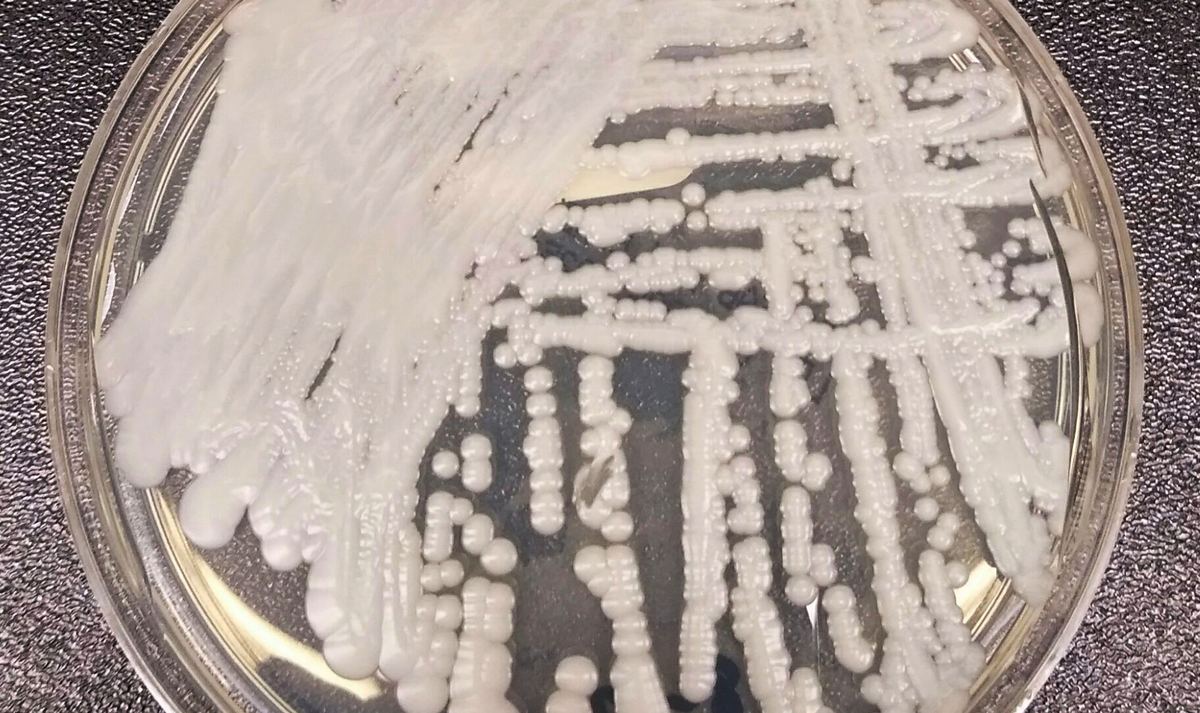
Candida auris is a yeast. Not a mould growing in a basement, not a virus, not the thing people mean when they say “fungal infection” about a toenail. It is a single-celled organism that lives on skin and in the environment, and in the right circumstances it gets into the bloodstream, where it becomes very dangerous.
How It Spreads — and How It Does Not
| It does spread by | Contact with contaminated surfaces and equipment; the hands of caregivers; contact with a colonised patient |
| It does not spread by | Air. It is not airborne, and it is not caught by walking past someone |
That distinction is the whole risk profile. An airborne organism with these resistance figures would be a genuine public emergency. A contact-spread one is a problem for places where a lot of vulnerable people are touched by a lot of shared hands and shared equipment — which is to say, hospitals.
The Part That Makes It Hard to Stop
C. auris can colonise a person without making them ill. It sits on the skin. The person has no symptoms, no fever, nothing to notice, and can carry it for a long stretch.
It also persists on surfaces and stands up to some routine disinfectants, which is why facilities dealing with it have to change cleaning protocols rather than simply clean harder.
Who Is Actually at Risk
The risk sits almost entirely with people who have healthcare risk factors:
- Invasive devices — central lines, catheters, feeding tubes
- Mechanical ventilation or a tracheostomy
- Long stays in hospitals or long-term care facilities
- Frequent healthcare contact, and serious underlying illness
People without those factors generally do not become infected or colonised. That is not a comforting slogan; it is the observed pattern.
About That 30–60% Death Rate
This number travels further than any other in the coverage, and on its own it misleads.
Researchers have estimated that 30 to 60 per cent of people with C. auris illness died. That is accurate as far as it goes. What it leaves out is that many of those patients were already critically ill with something else — conditions that carried a high risk of death regardless.
The figure describes the population that gets this infection more than it describes the infection. It is a marker of how sick you have to already be, as much as of how lethal the yeast is. Both readings matter; only one usually makes the headline.
Can It Be Treated?
Often yes, but the options are narrowing, and this is the genuinely alarming part of the story.
| Resistant to fluconazole (the most-used antifungal) | more than 90% of isolates |
| Resistant to two or more drug classes | about 40% |
| Resistant to amphotericin B (last resort) | some strains |
There are only three main classes of antifungal drug. Against a bacterium, losing one antibiotic is a setback. Against a yeast that resists two of three classes, the shelf is nearly bare.
If Someone You Know Is in Hospital
This is where an ordinary reader actually touches this story. Reasonable, non-confrontational things to do:
- Wash your hands going in and coming out, every time. Alcohol gel is standard, but soap and water is not a bad habit alongside it.
- It is fine to ask whether staff have cleaned their hands before touching a patient. Infection control teams would rather you asked.
- If a facility tells you a patient is colonised or infected, follow the gown and glove instructions exactly. They are not theatre.
- Do not stop visiting. Isolation precautions exist so that visits can continue safely.
Frequently Asked Questions (FAQ)
What is Candida auris?
A drug-resistant yeast that spreads in healthcare facilities and can cause serious bloodstream infections. It can also live on skin without causing any symptoms.
How do you catch it?
By contact — contaminated surfaces and equipment, or the hands of caregivers. It is not airborne.
Should I be worried about it?
If you are not a patient in a hospital or long-term care facility, almost certainly not. People without healthcare risk factors generally do not become infected or colonised.
Can it be treated?
Often, but options are limited. Over 90% of isolates resist fluconazole and about 40% resist two or more drug classes, with some resisting the last-resort drug amphotericin B.
Is the 30–60% death rate real?
The estimate is real, but many of those patients were already critically ill with conditions carrying a high risk of death. It describes who gets the infection as much as the infection itself.
Case count of more than 3,000 across at least 23 states per provisional CDC surveillance to 18 July 2026 as reported by The Hill, Healthline and Medical Daily; some later reporting puts the number of states higher, and provisional counts rise through the year. Description of the organism, contact-based transmission, absence of airborne spread, asymptomatic colonisation, risk factors, resistance percentages and the 30 to 60 per cent mortality estimate with its comorbidity caveat per the US Centers for Disease Control and Prevention and associated reporting. This is general information and not medical advice — for questions about a specific patient or facility, speak to the clinical team or your local health department. Photo: a strain of Candida auris cultured in a petri dish at a CDC laboratory, by Shawn Lockhart (public domain), cropped.