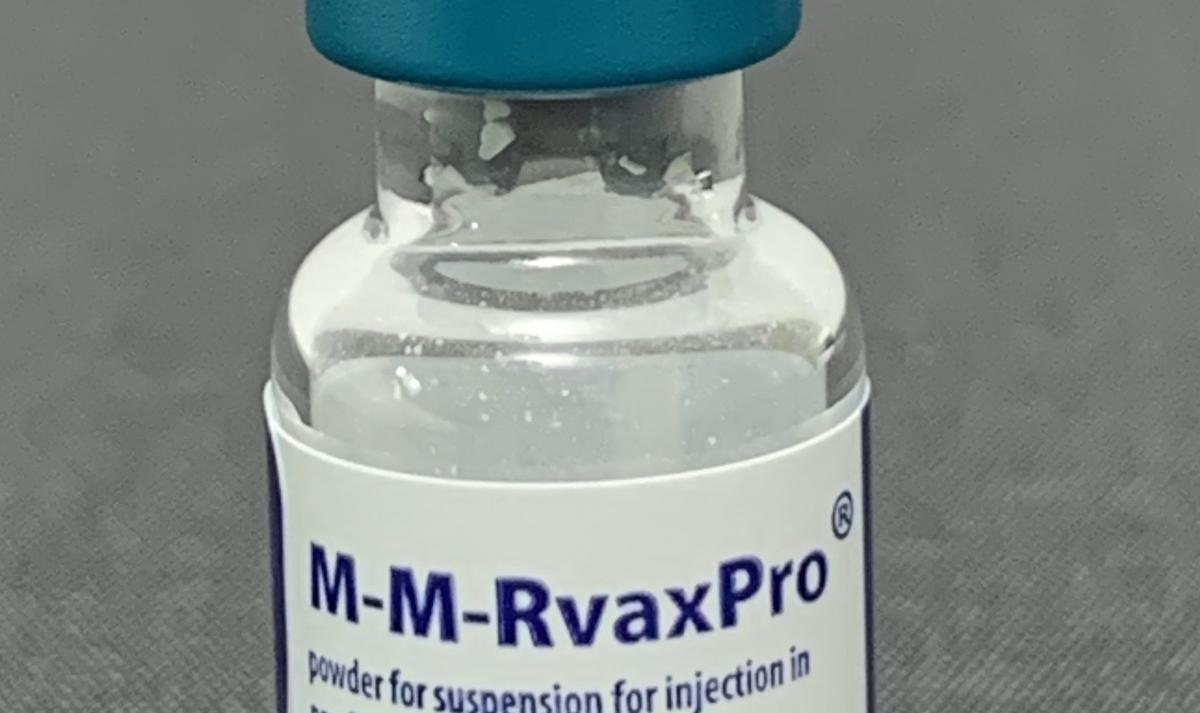

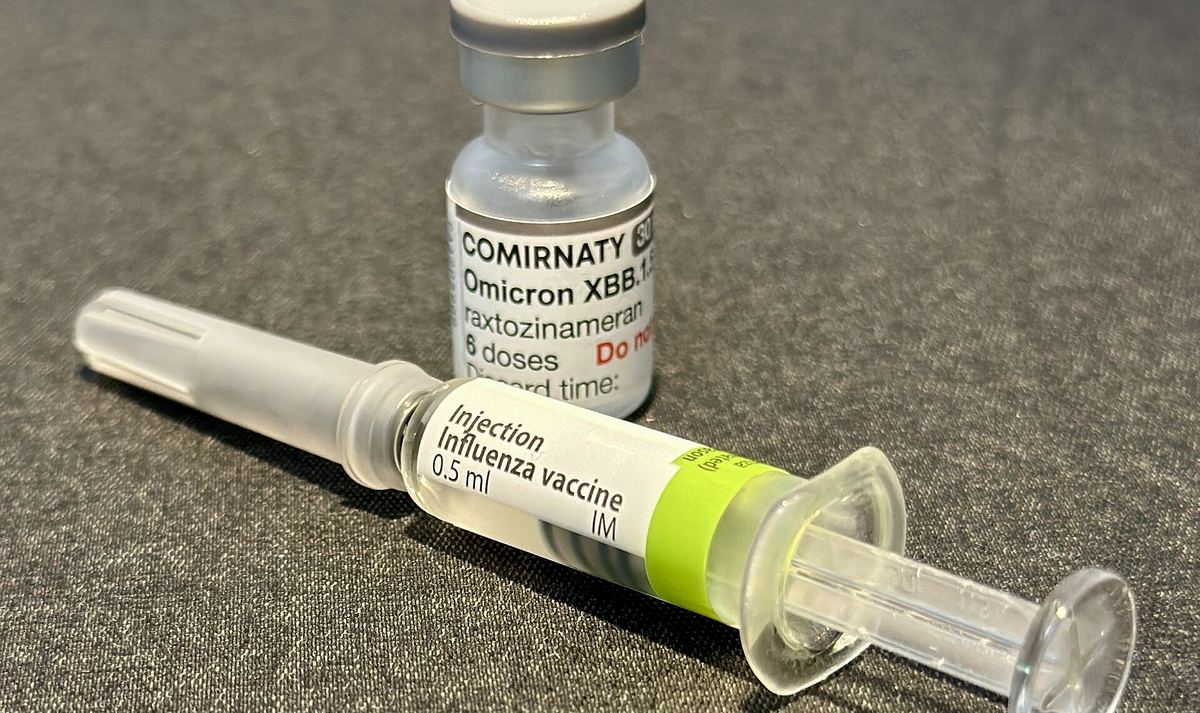
On 5 August 2026 the Food and Drug Administration approved mFLUSIVA, made by Moderna — the first influenza vaccine to use the mRNA platform that became familiar during the Covid-19 pandemic. Almost every account of it leads with a single number: around 26.6 per cent better than an older flu shot.
That number is real. It also does not apply to everybody the approval covers, and it is not the thing standing between you and the vaccine.
What was actually approved, and for whom
The approval covers adults aged 50 and over, and it is worth being precise that it arrived as two decisions rather than one:
| Age group | Type of approval | What the evidence rested on |
|---|---|---|
| 50 to 64 | Standard | Fewer people caught flu than on a standard-dose vaccine |
| 65 and over | Accelerated | Higher antibody levels than a high-dose vaccine at day 29 and six months |
The trial behind it was large — roughly 40,000 people. In the 50-to-64 group the comparison was against a standard-dose flu vaccine, and mFLUSIVA came out ahead on the measure that matters most: how many people actually became ill.
Why the 65-and-over approval is a different kind of claim
People over 65 are already offered enhanced flu vaccines — typically a high-dose or adjuvanted shot rather than the standard one, precisely because the standard one works less well as the immune system ages. So for that group, the relevant question was never “is it better than a standard shot”. It was “is it better than the enhanced shot I would otherwise be given”.
The accelerated approval answers that question with an immune marker: mFLUSIVA produced higher antibody levels than a high-dose comparator at day 29 and at six months. Higher antibody levels are a reasonable expectation of better protection. They are not a count of who caught flu.
That is what accelerated approval means and it is not a scandal — it is a recognised pathway, used when a marker is likely enough to predict benefit that waiting for the full outcome data would cost more than it gains. The condition attached is that the evidence still has to be produced: Moderna has agreed to run a post-licensure trial in that age group.
The honest summary, then: in the group where flu does the most damage, the clinical proof is pending, not absent and not complete.
The part that decides whether you can actually get one
Here is where approval stops being the story.
In the United States, FDA approval means a vaccine may lawfully be sold. What normally makes it appear in pharmacies at no cost to you is a separate step: the CDC’s Advisory Committee on Immunization Practices reviews it, issues a recommendation, and the CDC adopts that recommendation. Most private insurance plans are then required to cover recommended vaccines without cost-sharing, and the federal programme that vaccinates children keys off the same list.
ACIP has not met in 2026. The committee has been unable to convene all year amid ongoing litigation, and its next scheduled meeting is in October. Until it meets, reviews mFLUSIVA and issues a recommendation the CDC adopts, there is no mechanism obliging insurers to cover it at no cost.
So the sequence a reader should hold in their head is this:
- FDA approval — done, 5 August 2026.
- Manufacturing and distribution — Moderna expects availability for the 2026–2027 season.
- ACIP review and recommendation — has not happened.
- CDC adoption — follows the recommendation.
- No-cost coverage under most plans — follows adoption.
Steps three to five are the ones between an approved vaccine and a free one, and they are currently stalled at step three.
What this does not mean
- It does not mean the vaccine is unsafe. Approval followed a trial of roughly 40,000 people and the usual review.
- It does not mean you should skip this season’s flu shot. The vaccines already in pharmacies — standard, high-dose and adjuvanted — are unaffected by any of this, and flu season runs to its own calendar.
- It does not mean coverage is impossible. It means it is not automatic yet, and that anyone planning around it should ask their insurer or pharmacist rather than assume.
What to do with this
If you are 50 or over and interested, the useful questions to put to a pharmacist or doctor are narrow and answerable: is mFLUSIVA in stock here, what would it cost me today, and is there a reason in my case to prefer it over the high-dose or adjuvanted shot you already have. Those three answers will tell you more than any amount of reading about the approval.
And if the answer is that it is not available yet, that is not a reason to wait. Whatever this vaccine turns out to be worth, it is worth nothing to somebody who caught flu in November while holding out for it.
The approval date, the mFLUSIVA brand name, the 50-and-over indication, the split between standard approval for ages 50–64 and accelerated approval for 65 and over, the roughly 40,000-person trial, the approximately 26.6 per cent relative efficacy against the standard-dose comparator, the day-29 and six-month antibody comparison against a high-dose vaccine, the required post-licensure trial, and the status of the Advisory Committee on Immunization Practices were taken from FDA and Moderna announcements and from contemporaneous reporting by STAT, NBC News, The Hill and Pharmacy Times, 5–11 August 2026. This article describes a regulatory decision and the coverage process that follows it. It is not medical advice, and no part of it is a recommendation for or against any vaccine — that conversation belongs with your doctor or pharmacist.
Frequently Asked Questions (FAQ)
Who is the mRNA flu vaccine approved for?
Adults aged 50 and over. The approval is split: a standard approval for ages 50 to 64, and an accelerated approval for 65 and over.
Can I get it for the 2026-2027 flu season?
Moderna expects it to be available for the 2026-2027 season, but FDA approval alone does not put a vaccine into pharmacies at no cost. The CDC’s advisory committee still has to review it, and that has not happened.
Will insurance cover it?
Not settled. Most private plans are required to cover vaccines at no cost once the CDC adopts a recommendation from its advisory committee, ACIP. ACIP has not met in 2026 and its next scheduled meeting is in October, so there is no recommendation to trigger that requirement yet.
Is it better than the flu shot I usually get?
It depends on your age, and this is where most coverage is imprecise. In the 50 to 64 group it was compared against a standard-dose flu vaccine and did better. In the 65 and over group the accelerated approval rested on antibody levels measured against a high-dose vaccine, not on counting who actually caught flu.
What does accelerated approval mean here?
It means the FDA cleared it for that age group on the strength of a laboratory marker that is expected to predict benefit, rather than on completed evidence of the benefit itself. Moderna has agreed to run a further trial after licensing to supply that evidence.
Should I wait for this instead of getting my usual flu shot?
That is a question for your doctor or pharmacist, not for an article. What can be said plainly is that this vaccine is not yet in normal distribution, no recommendation has been issued, and flu season does not wait.